
Wondering which human foods are safe for your dog? As experienced pet nutritionists, we've reviewed 104 common foods to help you make informed choices for your furry friend's health.
Some foods offer nutritional benefits as occasional treats, while others pose serious risks like toxicity or digestive upset. This vet-backed guide provides clear yes/no verdicts based on scientific research and clinical experience.
Use our legend below to quickly check safety levels:

To print this full guide as a handy PDF, click here.

Almond butter is a healthier swap for peanut butter, with just 14% fat compared to 50%. It's packed with vitamin E and minerals. Choose unsalted varieties to avoid sodium poisoning, and offer small amounts as a treat.

Whole almonds can cause stomach upset, vomiting, or diarrhea in dogs. Salted roasted ones risk sodium toxicity. Monitor closely if ingested, but avoid sharing.
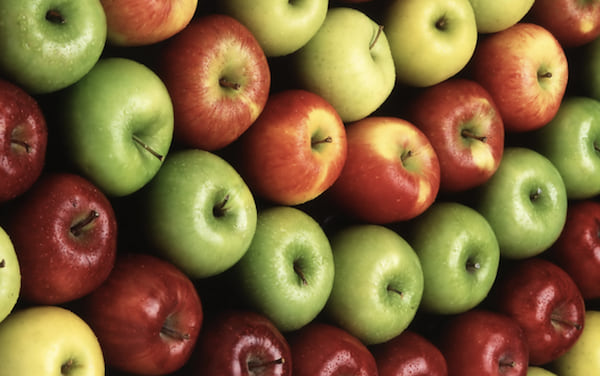
Apples are a crunchy, vitamin A- and C-rich snack. Serve with skin on (organic preferred to skip pesticides), but remove core and seeds to prevent choking or cyanide exposure.

Opt for unsweetened, homemade applesauce to avoid sugars that cause upset. It's a choking-free way to deliver apple nutrients. Recipe: Simmer peeled apples for 30 minutes.
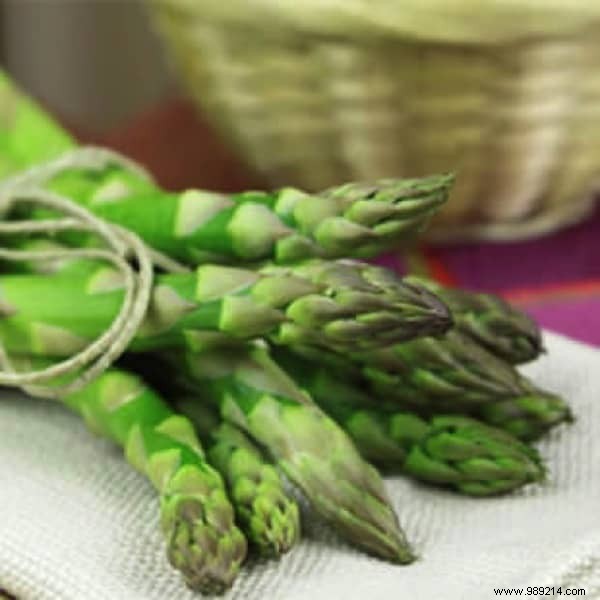
This nutrient-dense veggie supports skin, teeth, immunity, and digestion with fiber and vitamins. Serve raw or lightly cooked. Note: Asparagus ferns are toxic—contact vet if eaten. Urine odor changes are normal.

Recent studies confirm dogs tolerate persin safely, unlike some animals. Rich in potassium and fiber, but skip the pit to avoid choking.

High fat content risks pancreatitis, a potentially fatal digestive issue. Skip fatty, salty meats like bacon.

Potassium, vitamin C, and antioxidants boost immunity, but high sugar can cause constipation. Slice thinly; discard peel.
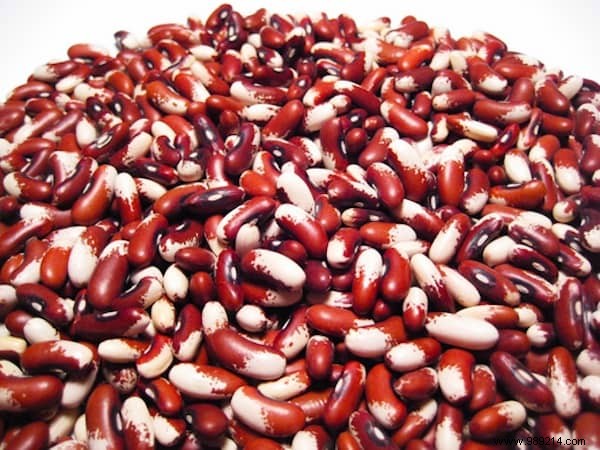
Green, navy, soy, and chickpeas offer fiber for digestion and diabetes control, plus protein. Always cook raw beans to neutralize toxins. Can't replace animal proteins fully.
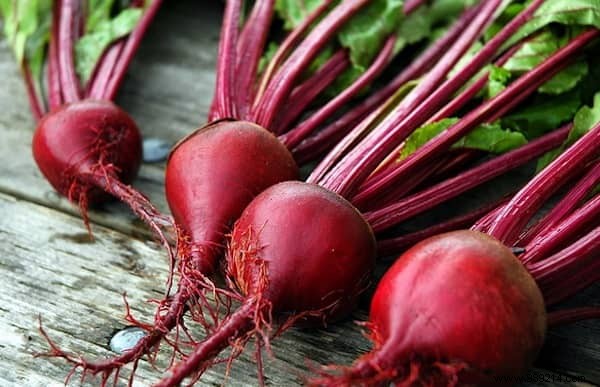
Fiber-rich beets promote colon health. Use organic fresh ones; avoid canned due to salt and preservatives.
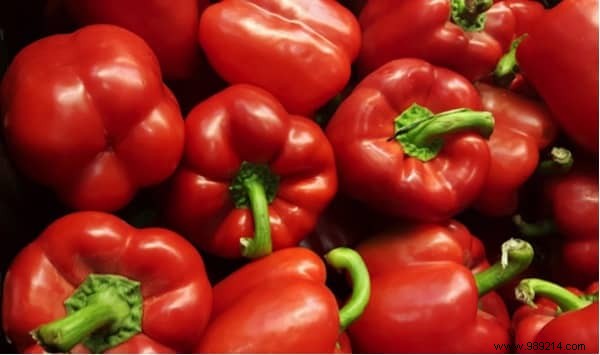
Red varieties shine with beta-carotene, vitamins A/C, and fiber. Remove seeds; serve raw or sautéed in rings.
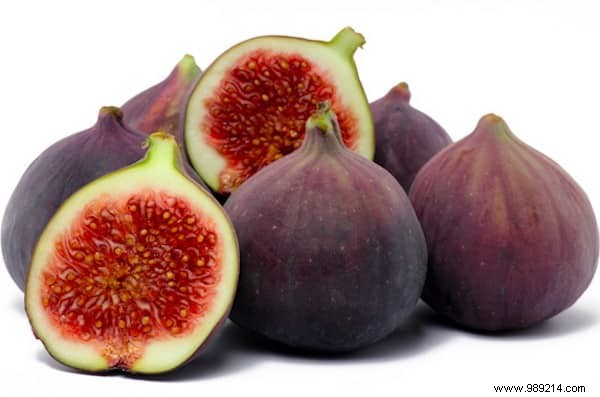
In limited quantities, figs pose no danger but natural sugars may cause gut discomfort. Like dates, they're sweet and vitamin-rich. Monitor for allergies; avoid ficus plants, which are toxic.
