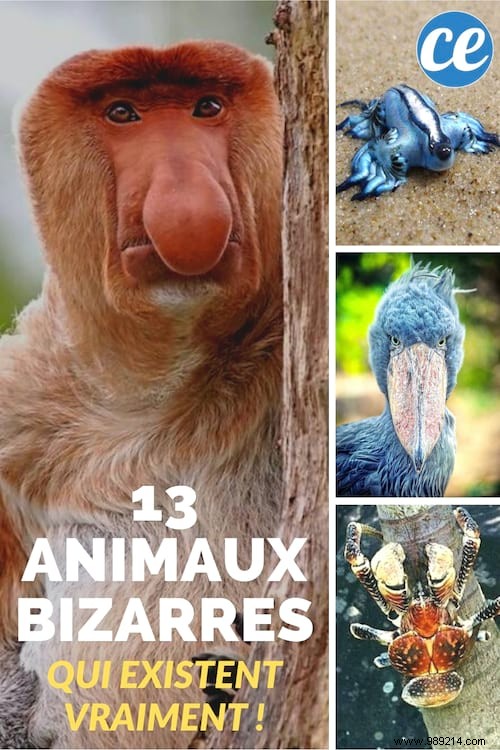
Nature never ceases to amaze with its creativity. Some animals sport appearances so extraordinary that they seem imagined by fantasy artists. Whether terrestrial, aerial, or marine, these creatures challenge our perceptions. Discover 13 bizarre animals that really exist – species you may never have encountered before.
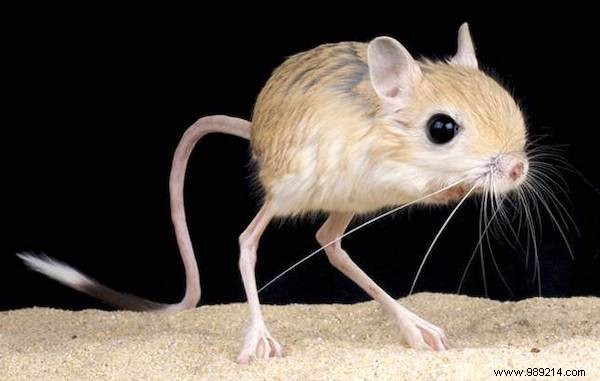
Jerboas are small rodents inhabiting the deserts of North Africa and Asia. Resembling miniature kangaroos, they evade predators thanks to exceptional hearing and speeds up to 20 km/h, despite being prime targets for larger hunters.
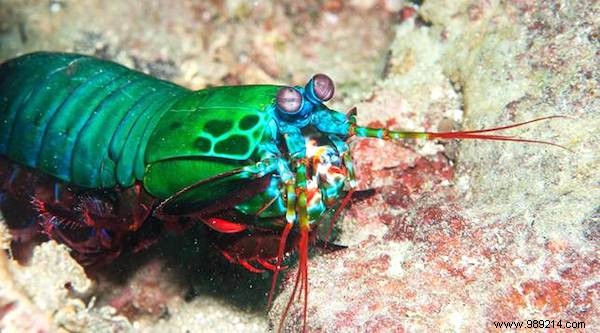
Nicknamed "squill," these crustaceans wield claws delivering 90 kg of pressure to spear, stun, or dismember prey. Their psychedelic eyes boast 12 color receptors – far surpassing the three in humans – enabling rapid visual processing, as noted by marine biologists.
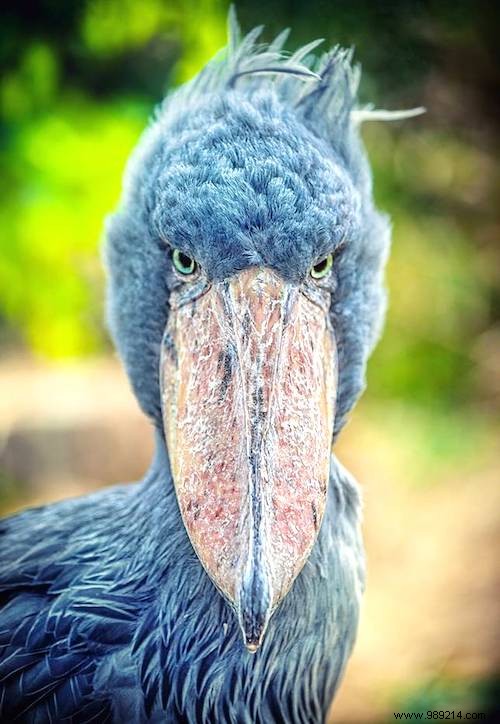
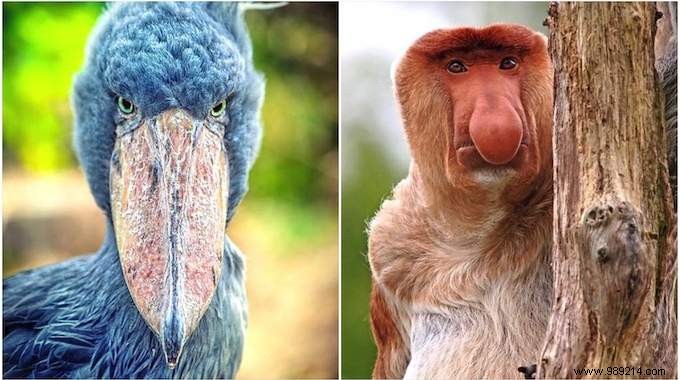
Found in East African swamps, these towering birds evoke cartoonish figures with their oversized beaks. Sadly, habitat loss from human encroachment threatens this endangered species and its hunting grounds.
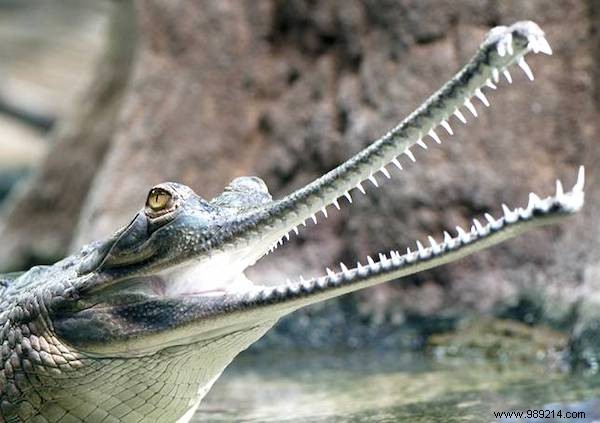
This crocodile's elongated, slender jaws are adapted for a fish-heavy diet, aiding precise captures. Critically endangered, fewer than 235 wild individuals remain due to food scarcity, riverbank habitat destruction, and fishing nets.
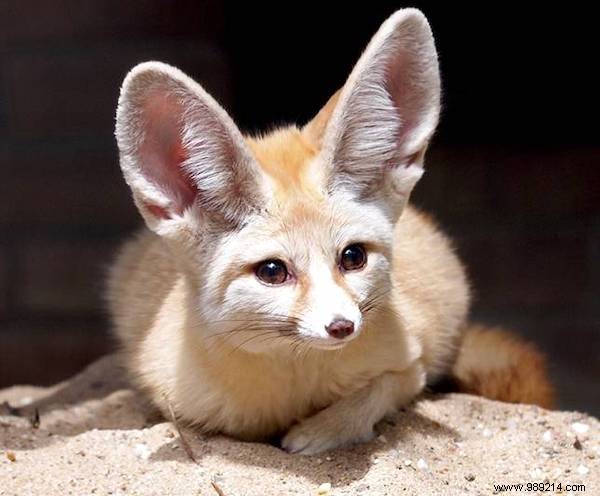
Thriving in the Sahara's harsh deserts, this nocturnal fox uses oversized ears to dissipate heat and detect underground prey with acute hearing.
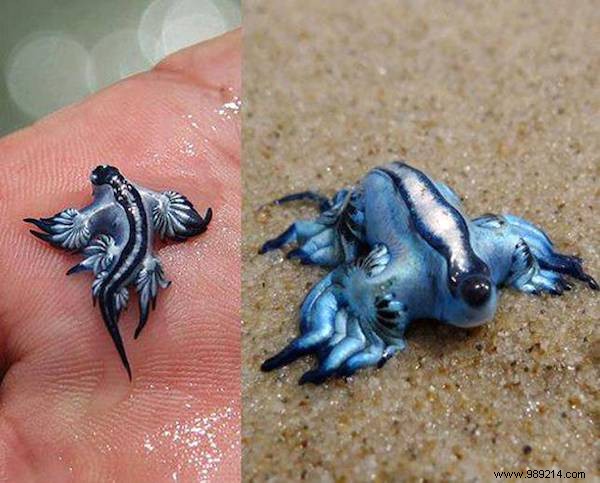
Known as the "sea swallow," this striking blue-silver nudibranch preys on venomous cnidarians like the Portuguese man o' war. It sequesters their stinging cells, delivering excruciating stings to threats.
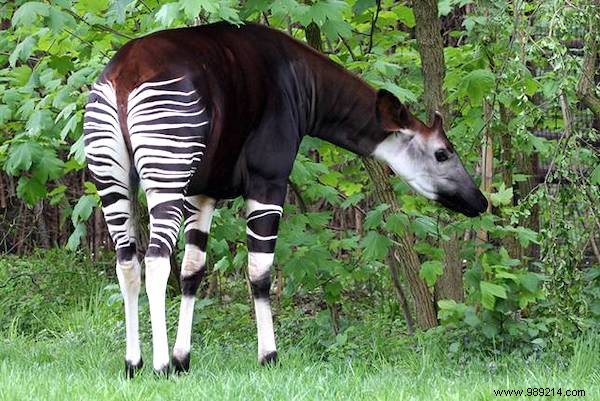
Early African explorers mistook this striped relative of the giraffe for a unicorn. Classified as Okapia johnstoni in 1901, it remains endangered in its rainforest home.
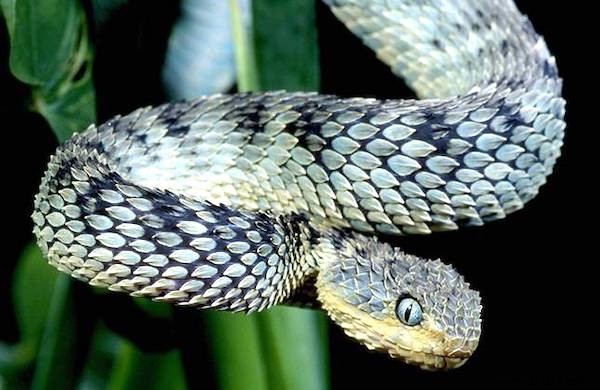
Inhabiting sub-Saharan African rainforests, this venomous snake's keeled scales create a shaggy appearance. Its prehensile tail aids arboreal hunting, where it ambushes prey from branches.
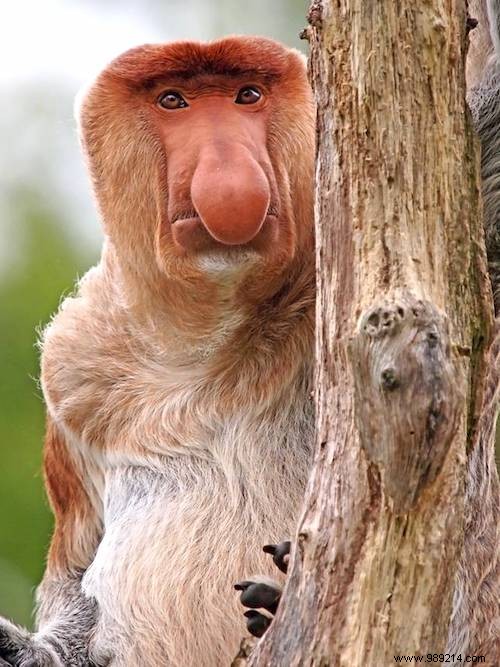
Endemic to Borneo's mangroves, males boast a pendulous nose up to 10 cm long – reddish when agitated and key for attracting females.
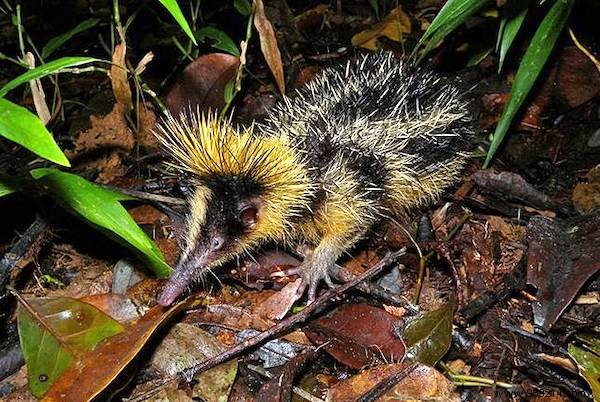
Madagascar's tropical forests host this quirky mammal. It wields simple quills and specialized vibrating ones for defense and family communication, akin to porcupines.
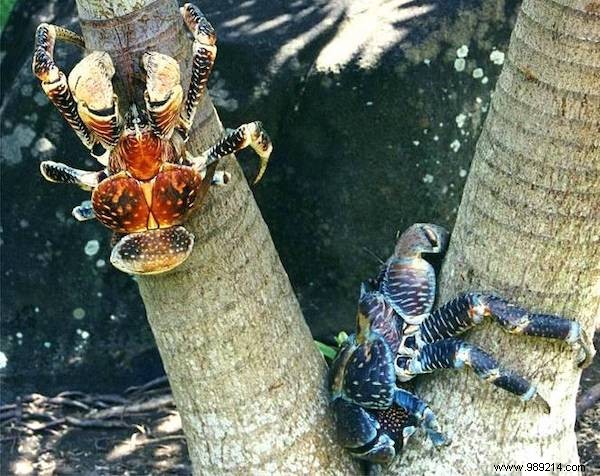
The world's largest terrestrial arthropod spans up to 1 meter leg-to-leg. These omnivores crack coconuts and target hatchling turtles.
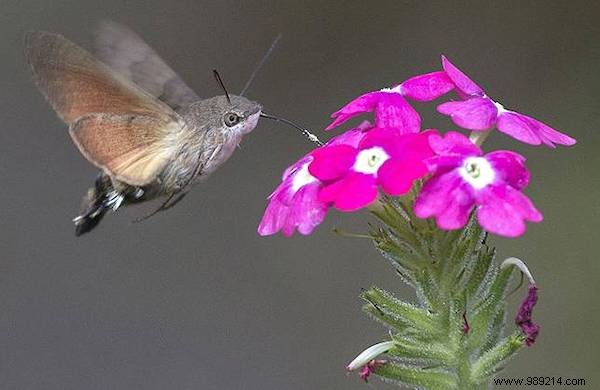
This European moth mimics hummingbirds with hovering flight and a long proboscis. It migrates south in winter to forage in warmer climes.
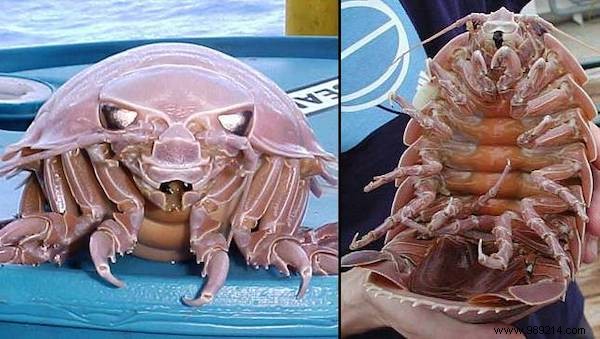
Exemplifying deep-sea gigantism alongside colossal squid, this abyssal relative of the woodlouse curls into a protective ball against predators.
