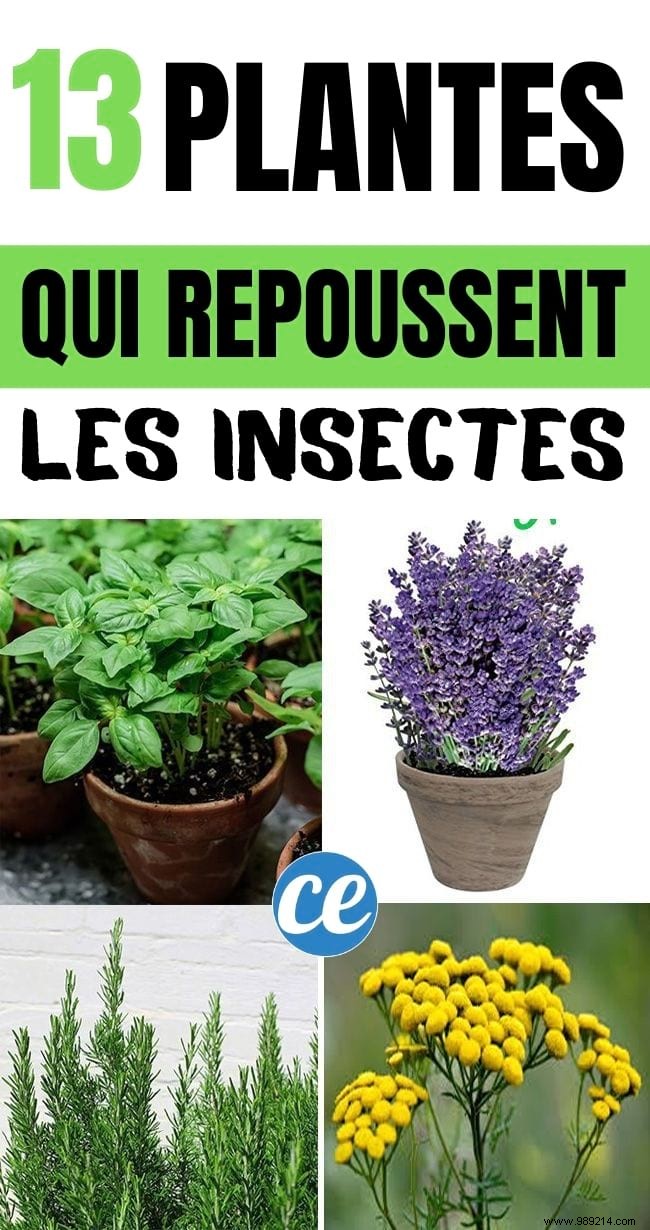
Imagine enjoying your terrace or garden without pesky insects buzzing around. As seasoned gardeners know, chemical repellents aren't the only solution.
These 13 plants naturally deter flies, mosquitoes, and other bugs through strong scents released from their crushed leaves—odors insects instinctively avoid.
Plant them in pots or garden beds to create a bug barrier while enhancing your outdoor space with vibrant colors and beauty.
Discover these 13 proven insect-repelling plants. Watch:
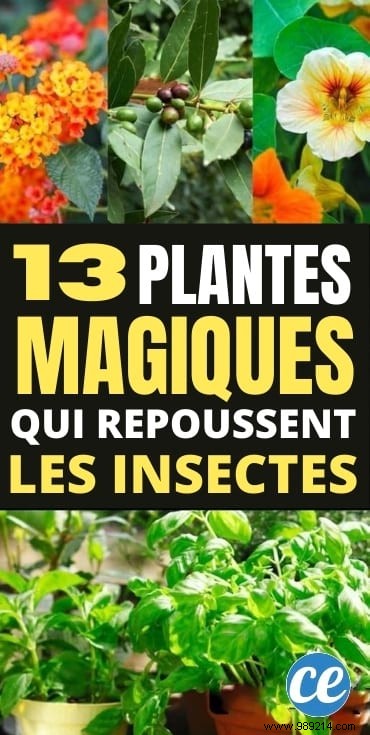

Nasturtiums thrive easily in pots or garden soil. Gardeners often plant them near squash, cucumbers, tomatoes, or beans to draw aphids away from crops.
With their potent fragrance, they effectively repel beetles, stink bugs, and flies. Nasturtium flowers offer a peppery flavor and pack ten times more vitamins than lettuce, making them edible and a favorite among culinary gardeners.
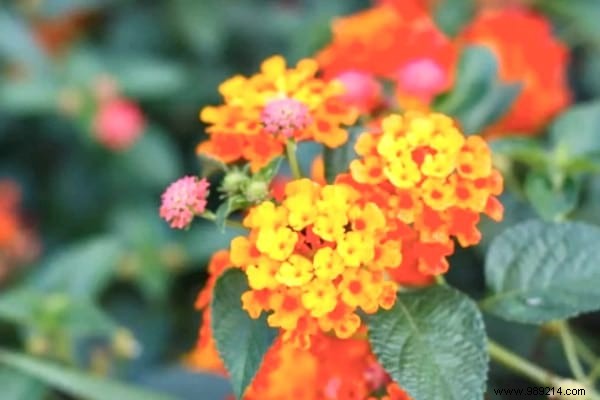
Native to South America, lantana blooms worldwide and grows rapidly—sometimes considered a weed in Asia. Though toxic to livestock, it's valuable in gardens for repelling flies and mosquitoes, including malaria-carrying Anopheles.
Its leaves combat fungal infections, and extracts aid respiratory issues. Drought-tolerant with colorful blooms that draw butterflies and bees, lantana excels in pots or beds.

Perennial marigolds naturally repel mosquitoes and flies with their powerful scent, also deterring aphids, squash bugs, and rabbits from vegetables.
Related Calendula officinalis treats eczema and skin infections. Dried flowers brew into soothing teas for stomach issues. Bonus: Unopened morning flowers predict rain.
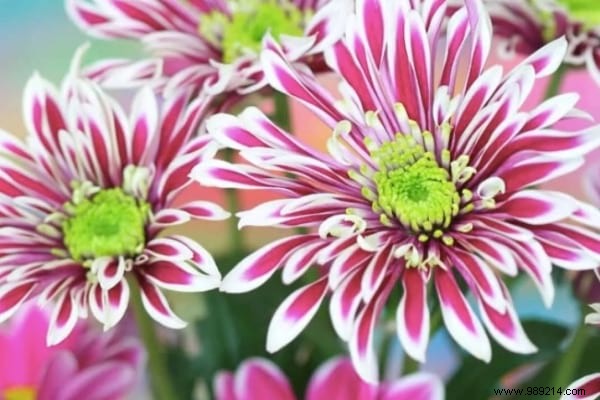
Chrysanthemums provide pyrethrum, the key ingredient in many natural repellents for fleas, mosquitoes, ticks, spider mites, cockroaches, and flies.
Dalmatian varieties are especially effective. Plant in beds or pots near patios; dry flowers for homemade remedies.
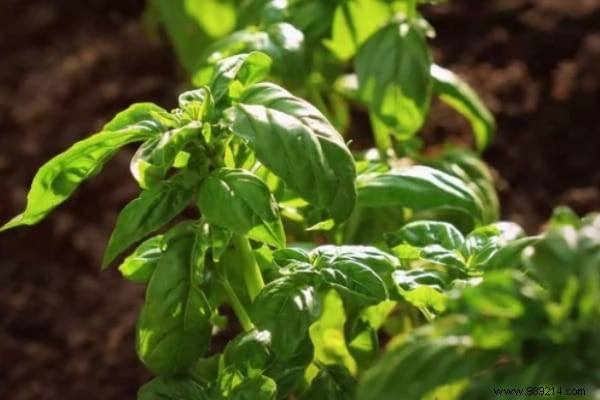
Crush basil leaves to release a scent that repels flies and mosquitoes. Versatile in the kitchen for salads, soups, pasta, and sandwiches.
Gardeners brew sprays by steeping basil in boiling water with vodka—ideal for furniture and patios, not skin.
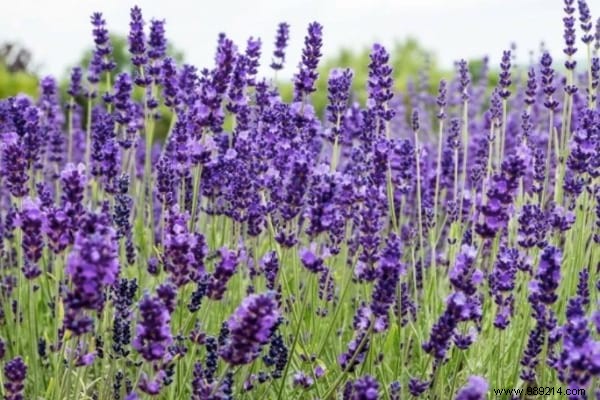
Lavender's pleasing aroma repels moths, flies, fleas, and mosquitoes—even when dried, as our grandparents used in sachets for closets.
Thrives in sunny, well-drained soil. Use fresh flowers in sauces or desserts, dried in teas.
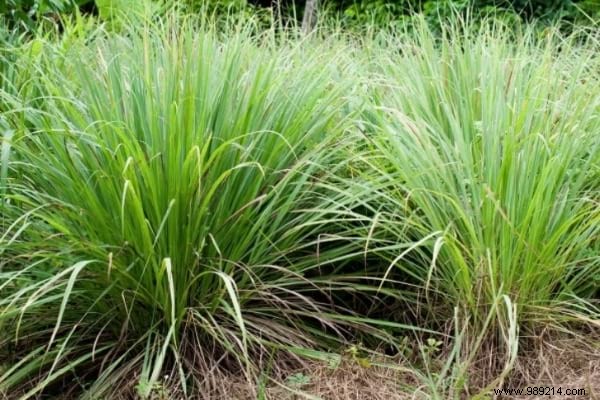
Source of commercial citronella oil, lemongrass repels mosquitoes. Its citrusy flavor stars in Asian cuisine.
Grow in warm, sunny spots with moist, fertile soil. Harvest at one-meter height. Plant near entrances to deter cockroaches.
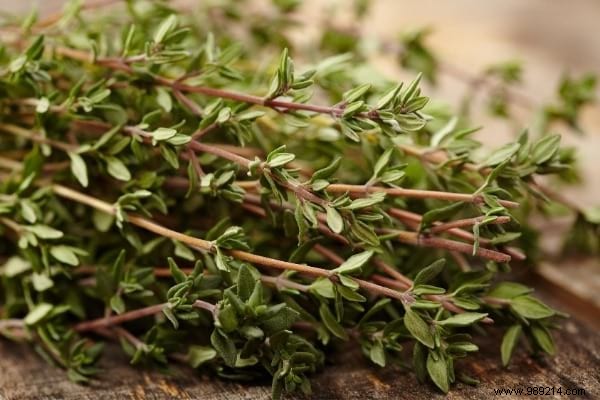
This thyme variety's citrus scent repels flies when leaves are crushed. Rub sprigs on patio tables for aperitifs, then add to salads or marinades.
Tolerant of rocky soil and partial shade, it's ideal for borders or ground cover.
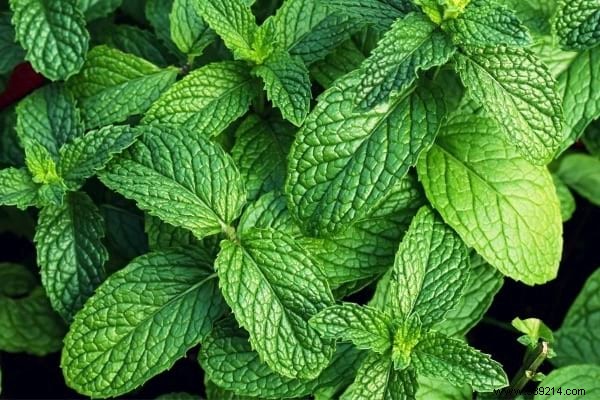
All mint varieties repel mosquitoes and spiders via aromatic oils in stems, leaves, and flowers.
Invasive, so pot it and hang near doors/windows. Needs sun and moisture. Perfect for summer drinks; freeze for year-round use.
Also explore: The 3 little-known benefits of mint.
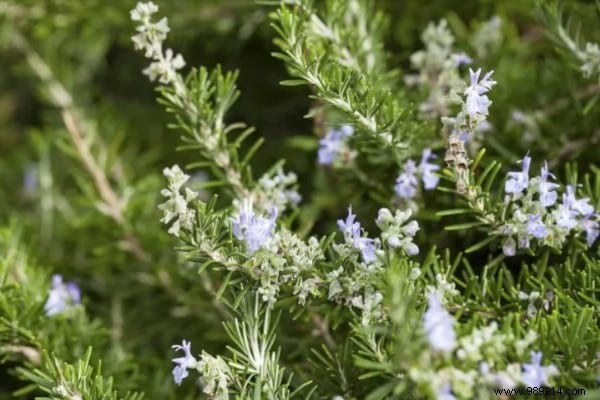
Insects, especially mosquitoes, despise rosemary. Crush leaves or use essential oil for best results.
This one-meter shrub flavors poultry, lamb, fish, and sauces beautifully.
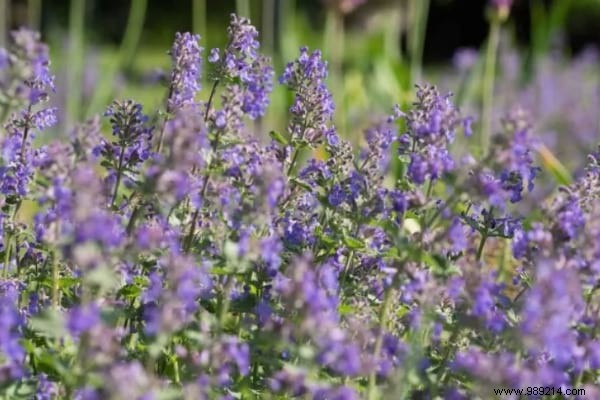
Catnip attracts cats and pollinators but repels mosquitoes and cockroaches with nepetalactone—stronger than DEET.
Grow in alkaline, well-drained soil with sun and moisture. Enjoy white-purple summer blooms and edible parts.
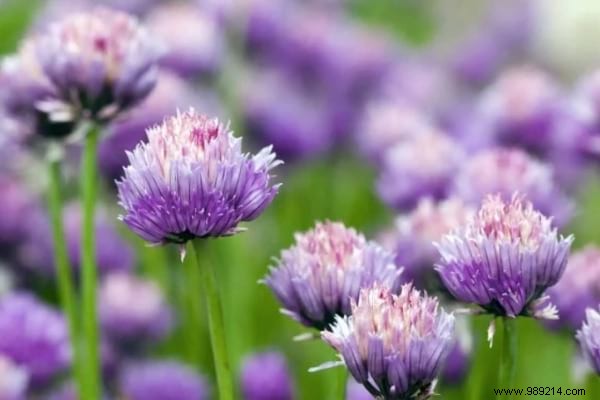
Garlic's pungent smell repels mosquitoes. Easy to grow in well-drained soil.
Eating it won't protect you, but planting it deters bugs. Essential for seasoning dishes.

Bay laurel repels flies, ants, fleas, and cockroaches—even dried.
Slow-growing tree suits pots in bright, warm spots. Harvest leaves after year two for soups and stews.
These crushable, edible plants repel insects, flavor meals, and beautify spaces. Crush branches for barriers, then cook with them.