
Summer heat waves affect us all, but dogs are especially vulnerable to rising temperatures. They can't cool themselves as efficiently as humans and depend entirely on us for protection. Without prompt care, heatstroke can be fatal.
Recognizing early warning signs and following proven prevention strategies can save your dog's life. As veterinary experts recommend, vigilance is key during hot weather.

- Sudden changes in behavior: lethargy in an energetic dog, uncharacteristic aggression, or restlessness.
- Elevated body temperature. Note: Normal dog temperature is 38.5°C (range: 38–39°C). Worry above 39°C; danger exceeds 40°C.
- Rapid, irregular breathing or heavy panting.
- Hot nose.
- Bluish tint to tongue and gums.
- Trembling or shaking.
- Dizziness or disorientation.
- Excessive salivation or foaming at the mouth.
- Vomiting.
- Increased heart rate.
If your dog shows one or more of these symptoms during hot weather, suspect heatstroke immediately.
Understanding contributing factors helps you act faster.

- Insufficient water intake.
- Medications.
- Obesity.
- Lack of acclimation to hot climates.
- Confinement in poorly ventilated spaces (even air-conditioned ones can pose risks).
- Prolonged heat over days and nights.
- Extended sun exposure.
- Intense physical activity.
Stay with your dog—never leave them alone. Cool them gradually with a damp cloth or towel on the neck and back. Contact your veterinarian right away for an appointment.
Avoid:
- Submerging in very cold water or using ice, which can cause shock.
- Forcing water; offer it freely.
Prevention is always better. These simple, vet-approved steps will help keep your dog safe.
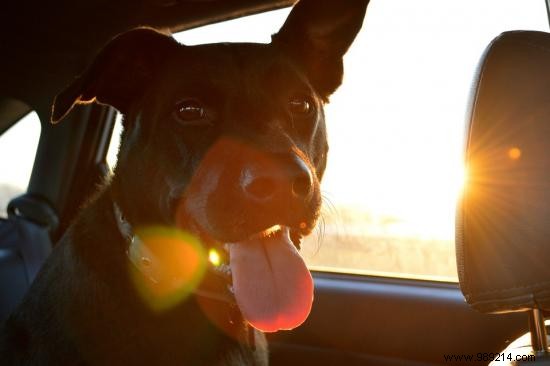
Car interiors heat up rapidly in the sun, turning deadly ovens in minutes—even with windows cracked. Dehydration sets in fast.
Instead: Leave your dog home in a cool, ventilated room with fresh water. In the yard? Ensure constant shade. If traveling together, park in shade under supervision.
Never: Leave them alone, regardless of shade, open windows, or A/C.
Hot weather means no strenuous activity for you or your dog. Walk early (before 10 a.m.) or late (after 6 p.m.), staying shaded and keeping it light.

Surfaces like scorching pavement or beach sand can burn paw pads. Test by holding your hand to the ground—if it's too hot for you, it's too hot for them.
More than ever in heat—keep bowls full at home and carry a portable bottle on walks.
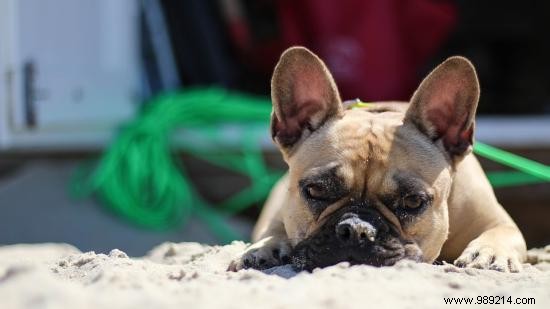
Dogs get sunburns too, especially light-skinned or thin-coated ones. Use car sunshades, UV-protective tents at the beach, and always provide water.
Avoid midday drives. If unavoidable, use sunshades, A/C, and take breaks for water and relief.
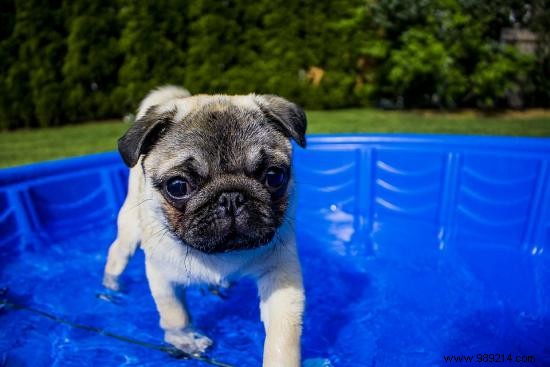
Avoid shocking with ice-cold water. Instead:
- Wipe with a damp cloth on head, neck, belly, and inner thighs.
- Mist with a spray bottle.
- Use a cooling vest: soak in water 3 minutes, then fit—it chills for hours.
Never: Blast with icy water; test temperature first.
These 7 tips ensure your dog thrives in the heat. Puppies, seniors, overweight dogs, and brachycephalic breeds (e.g., bulldogs, boxers) are extra sensitive due to breathing challenges.
