
With rising temperatures from global warming, stink bug infestations are on the increase—including the notorious brown marmorated stink bug, often called the 'devil stink bug.' These pests are infamous for the foul odor they release when threatened. While harmless to humans, they invade homes seeking winter shelter during cold spells, and no one wants their unpleasant smell lingering indoors.
Fortunately, as experienced gardeners and pest management professionals know, you can prevent and eliminate them effectively with these 17 simple, natural strategies. Read on:
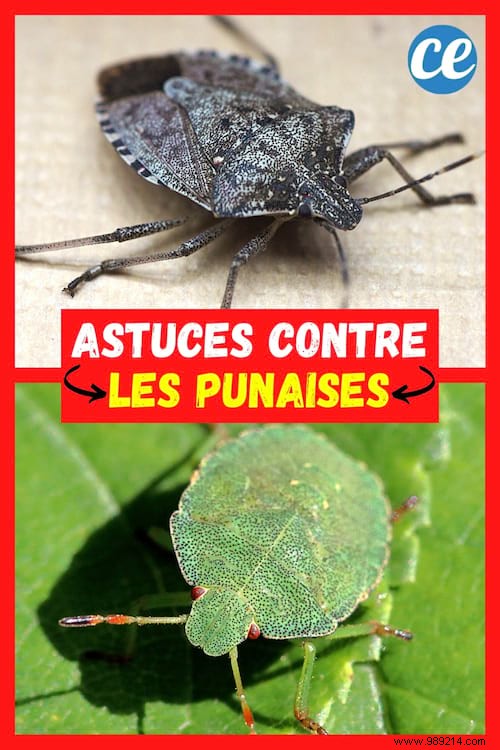
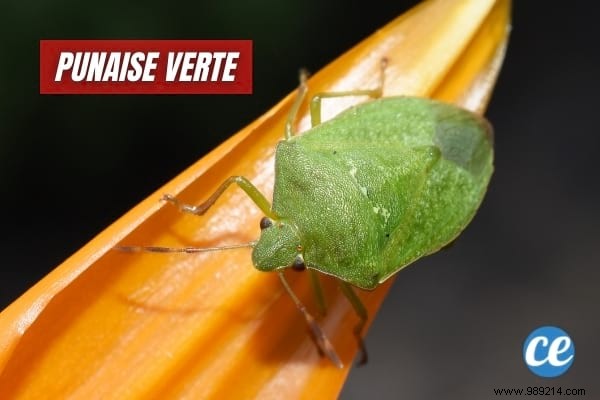
France's most common garden pest is the green stink bug (Nezara viridula), also known as the southern green shield bug. It's green in spring for camouflage among foliage and turns brown in autumn.
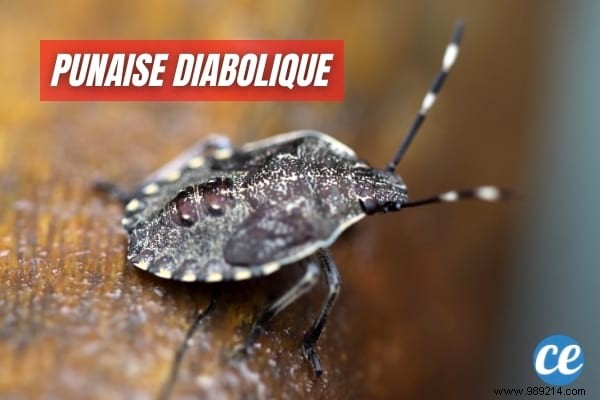
The brown marmorated stink bug (Halyomorpha halys), or devil stink bug, has gained notoriety since arriving in France in 2012. Similar in shape but grayish-brown with dark bands, it's a major threat to crops as it devours fruits and vegetables.
Protect your home from green and brown marmorated stink bugs by sealing entry points and using natural repellents. These resilient insects squeeze into tiny spaces but struggle to escape, so proactive prevention is key.
Here's how to safeguard your property inside and out with these trusted, natural methods:

Stink bugs seek warm hibernation spots as temperatures drop, targeting walls, basements, and attics. Inspect your home's exterior for cracks in siding, gaps around pipes, chimneys, roof edges, and other openings.
Use outdoor-grade silicone sealant to close them permanently—a step recommended by pest experts for long-term control.

Examine frames, siding, outlets, and sun-exposed areas. Repair damaged screens, refresh caulking, and install door sweeps to block even the smallest gaps.
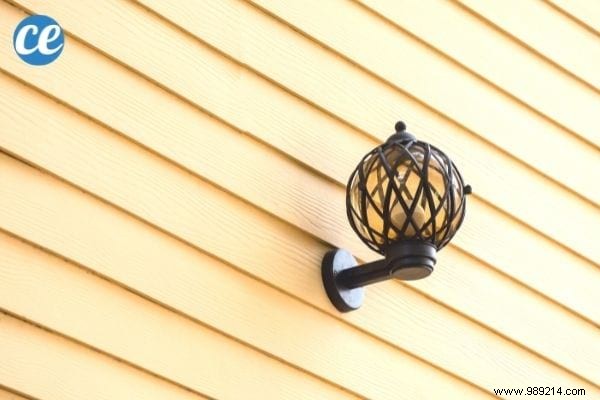
Stink bugs are drawn to light, so minimize outdoor lighting at night. Shut blinds to contain indoor light, and switch to yellow sodium vapor bulbs, which emit less attractive wavelengths.

Moisture attracts pests—fix leaky hoses, faucets, and drains to deter invasions.

Stink bugs target ripe fruits and scraps. Store food in airtight containers, seal trash, wash dishes promptly, and clean surfaces to eliminate attractants.

Circulate air in cellars, attics, garages, and crawl spaces; use dehumidifiers if needed. Install screens on vents for added protection.

Prune trees and shrubs, weed regularly, and store firewood 6 meters from the house, elevated 10 cm off the ground. These pests ravage veggies, fruits, and weeds.
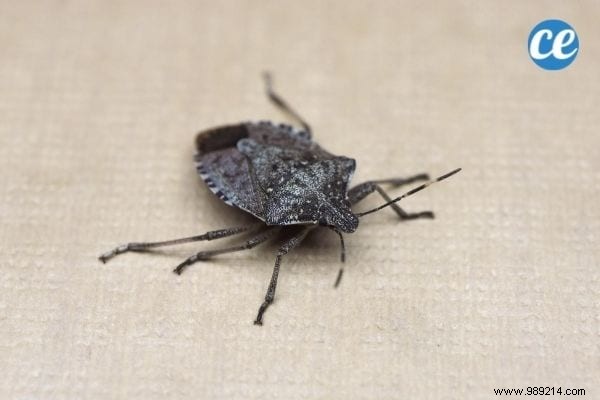
Harmless but smelly when threatened, gently relocate indoor stink bugs outdoors with paper rather than squishing.
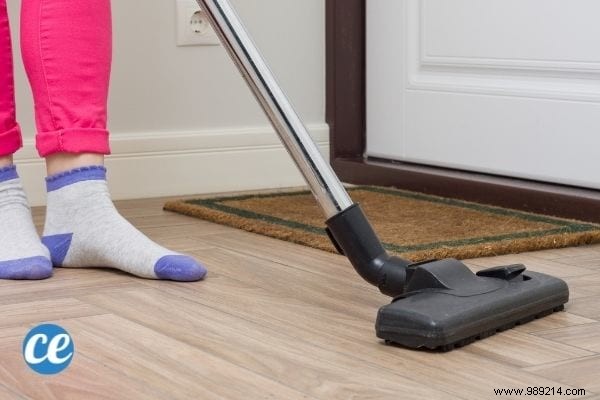
Vacuum them up and immediately seal/dispose of the bag to prevent odor release.
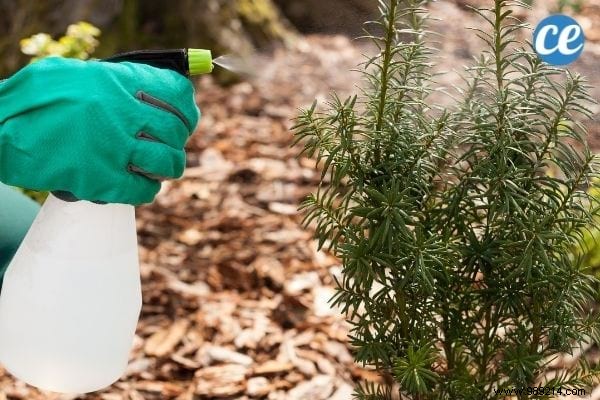
Ingredients: Spray bottle, 50 cl hot water, 25 cl white vinegar, 10 cl dish soap.
Instructions: Layer hot water, vinegar, then soap; shake gently. Spray directly on bugs—safe, inexpensive, and residue-free.
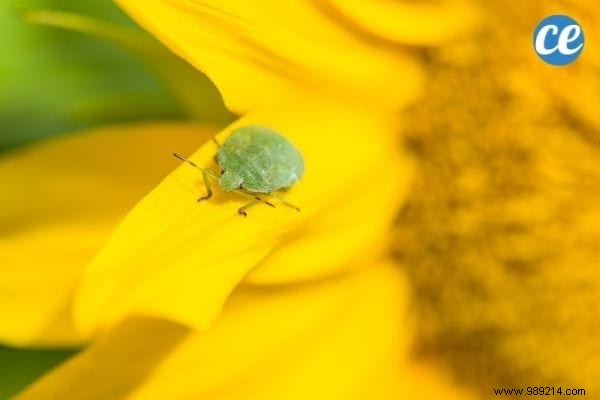
Plant attractants like catnip, sunflowers, mustard, millet, garlic, or lavender far from crops and home to draw bugs away and invite predators.

Ingredients: Container, soapy water, desk lamp (white/black/blue light).
Instructions: Place soapy water under lamp in bug hotspots—effective for minor infestations, pesticide-free.

Neem oil repels and disrupts stink bug feeding/breeding naturally.
Ingredients: Spray bottle, 1 L hot water, 1-2 tsp neem oil.
Instructions: Mix and spray entry points. Safe for indoor use; results build over time.

Place chopped garlic near entries or spray garlic powder-water mix (4 tsp garlic, 50 cl water). Potent natural deterrent.
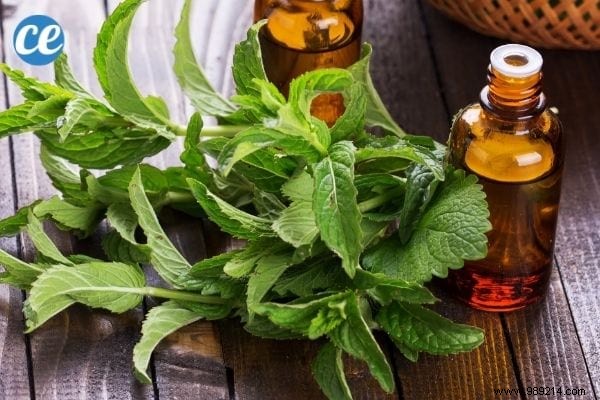
Ingredients: Spray bottle, 50 cl water, 10 drops peppermint oil (or 2 tsp crushed leaves).
Instructions: Mix and spray access points—repels without killing.
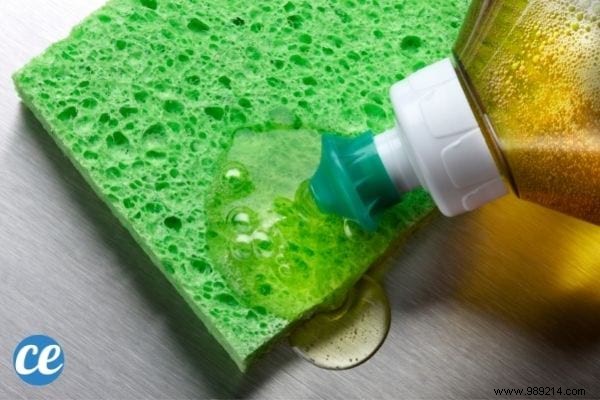
Dish soap dissolves exoskeletons.
Ingredients: Spray bottle, 40 cl mild dish soap, 1 L hot water.
Instructions: Spray directly—quick, safe, and effective.

Capsaicin kills on contact.
Ingredients: Spray bottle, 5 hot peppers, 50 cl water.
Instructions: Chop, soak, strain, spray. Handle peppers carefully.
