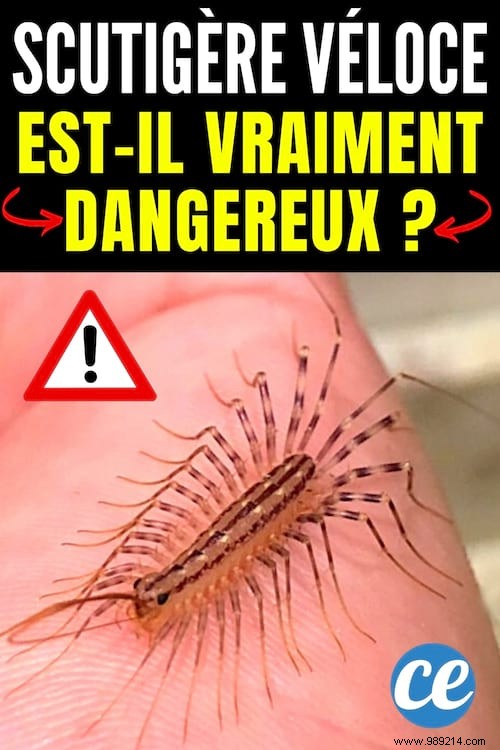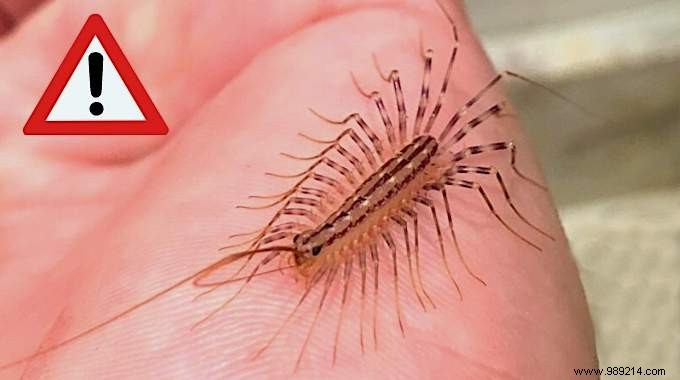
As a pest control enthusiast who's encountered my share of creepy crawlies, I'm here to demystify the house centipede, scientifically known as Scutigera coleoptrata. This speedy arthropod thrives in homes, especially damp, dark spots like basements. But despite its alarming looks, is it a threat? Let's break it down based on real observations and expert insights.
You might spot one darting across your floor—terrifying at first glance—but fear not. I'll share everything you need to know, from its habits to safe management strategies.
 Contents
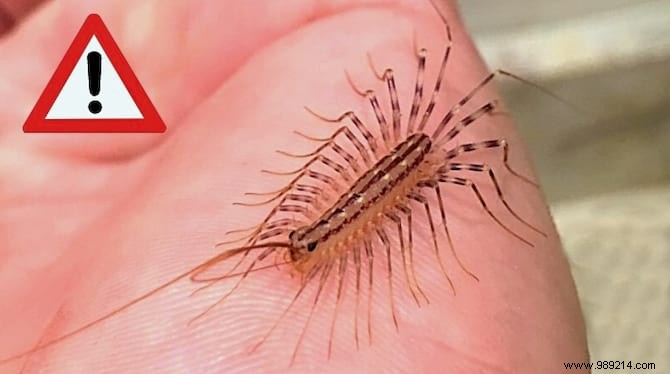
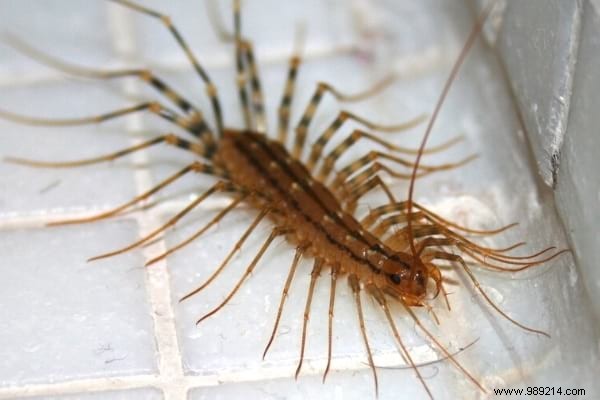
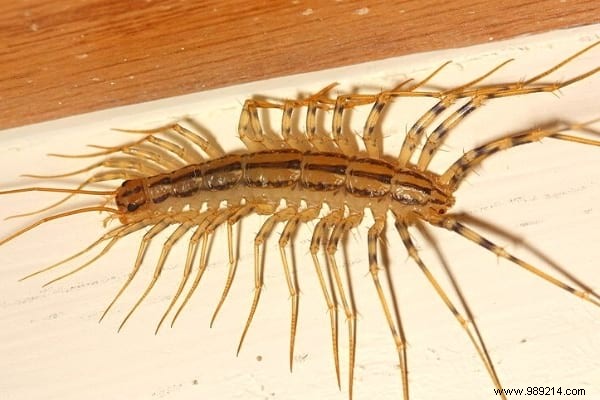
 I've seen one up close recently, and let me tell you—it's unforgettable. Despite the name, a house centipede has just 15 pairs of long, slender legs, making it incredibly fast. Its scientific name, Scutigera coleoptrata (often called the swift centipede), reflects this speed; catching one is nearly impossible.
It features two long antennae on its head and rear appendages. Typically yellowish-gray with purplish bands and stripes along its body and legs, it measures about 10 cm. Yes, it's unsettling, but understanding it reduces the panic.
Your instinct might be to squash it, but hold off. A dying centipede can attract more pests. More importantly, these critters are beneficial predators.
Having them around is actually a plus for natural pest control—I'll explain why next.
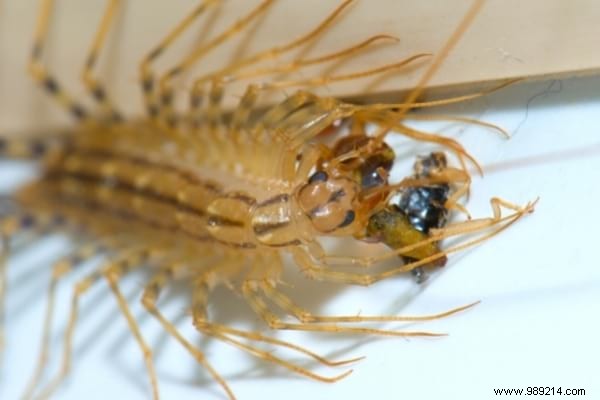
House centipedes hunt common household and garden pests like cockroaches, moths, flies, ants, termites, and spiders. Using forcipules (poison claws near the head), they inject venom, then lasso prey with their legs to immobilize it.
Active nocturnal hunters, they don't build nests or webs, staying discreet. They won't damage wood or spread diseases to humans—they simply control unwanted insects, reducing the need for chemical sprays.
Behind the scary facade is a valuable ally in pest management.
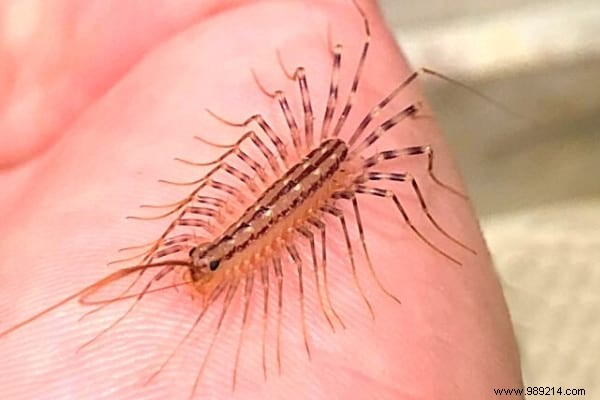
Rest assured, house centipedes pose no real danger to humans. They prefer insects over us. That said, avoid handling them—their bite is painful, like a bee sting, causing a red welt.
Effects are short-lived for most, but those allergic to stings should seek medical advice. Bites are rare and not life-threatening.
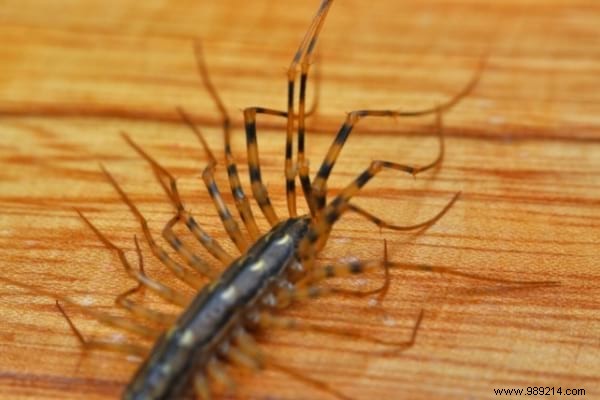
I get it—they're unwelcome guests despite their benefits. They follow food (other pests) and prefer moist, warm areas like bathrooms or cellars.
To eliminate them: starve them out by controlling flies, spiders, and other prey. Reduce humidity with dehumidifiers, good ventilation, and a functioning ventilation system to prevent mold.
Seal cracks and entry points to block egg-laying sites.
After cleanup, keep them out with natural repellents like white vinegar or diatomaceous earth. Sprinkle food-grade diatomaceous earth in passageways and damp corners—it dehydrates them safely.
For walls, mix 300-500g diatomaceous earth in 1 liter of water, spray, and let dry. No chemicals needed.