Flies buzzing around the house can be incredibly frustrating—and unsanitary. As a home care expert with years of experience testing natural pest solutions, I've found reliable ways to keep them at bay without toxic sprays.
These grandmother-approved tricks have transformed my home: no more annoying buzz during naps, just peace and cleanliness. Discover 20 effective, chemical-free fly repellents using plants, oils, and household staples.
 Contents
 Preventing flies is easier than eliminating them. The key? Maintain a clean home to avoid attracting them.
Flies are drawn to moisture, dirt, and food scraps—especially in kitchens and bathrooms.
Keep these areas spotless with these proven habits:
Flies aren't just pests—they carry up to 1 million bacteria per fly on their body hairs, posing health risks.
Skip chemical sprays: they're toxic to humans, pets, and the environment, lingering on surfaces long after use.
Instead, trusted natural alternatives—plants, oils, and recipes—repel flies safely and effectively.
Many plants emit scents that naturally deter flies. Place them near doors, windows, or indoors for ongoing protection.

Flies despise basil's fresh aroma. This antibacterial, antiviral plant also improves indoor air quality. Ideal for kitchens.
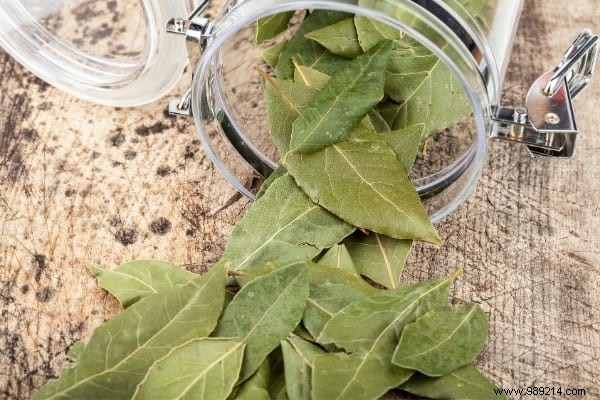
Scatter bay leaves around your home. Their strong scent repels flies while freshening the air.
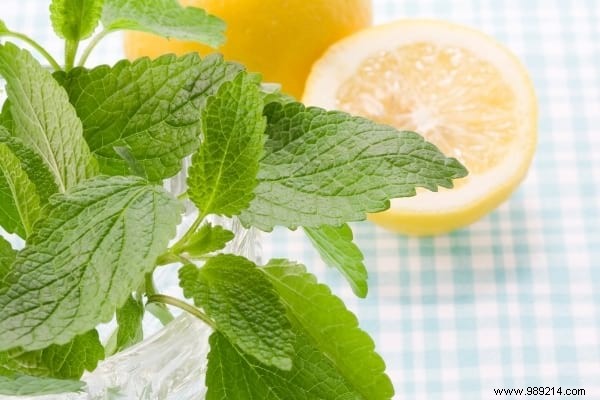
A perennial with a lemony scent, lemon balm repels flies, mosquitoes, and aphids effectively.
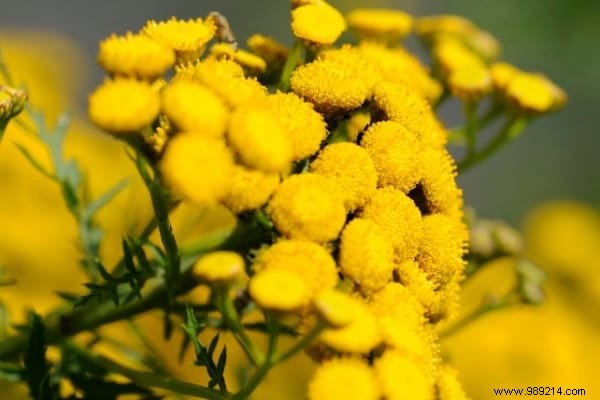
Tansy is a natural insect repellent with attractive flowers, perfect for home or garden decor.
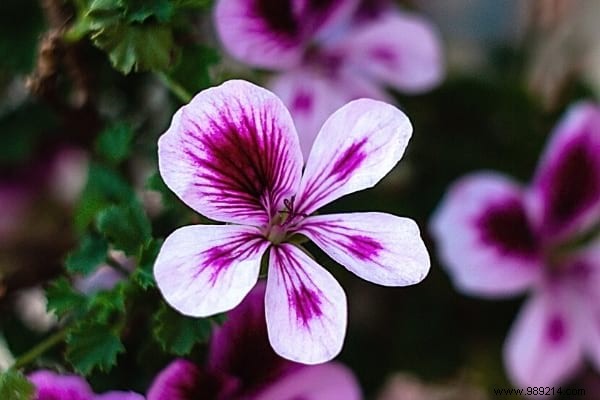
(Pelargonium citrosum) This geranium's citrusy scent repels flies and mosquitoes. Flies hate it.
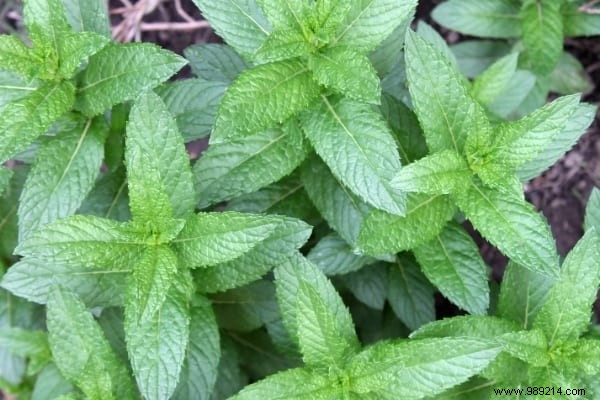
(Mentha pulegium) A traditional medicinal plant that deters flies and other insects.
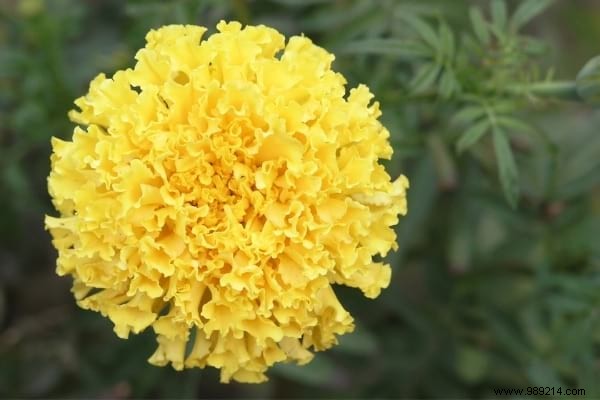
Marigolds' pungent scent drives flies away, despite not being the most pleasant to humans.
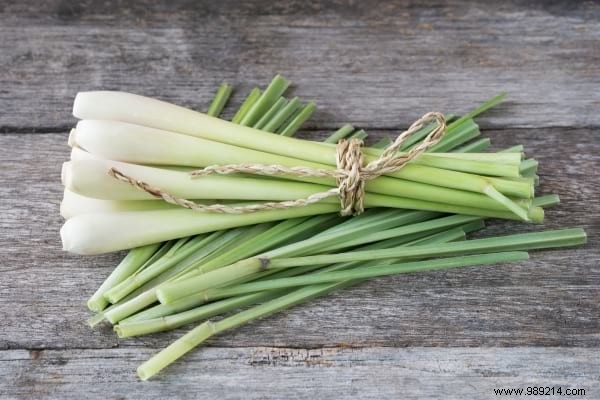
Lemongrass's citrus notes make it a powerful fly deterrent.
These antibacterial oils purify air while repelling insects. Use diffusers or sprays. Caution: Avoid if pregnant, epileptic, or hypertensive.
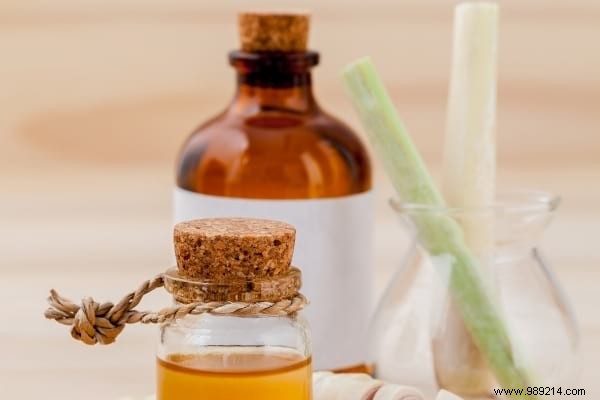
Mix 12 drops in 60 ml hot water; spray around home. Or soak cotton balls and place near entries.
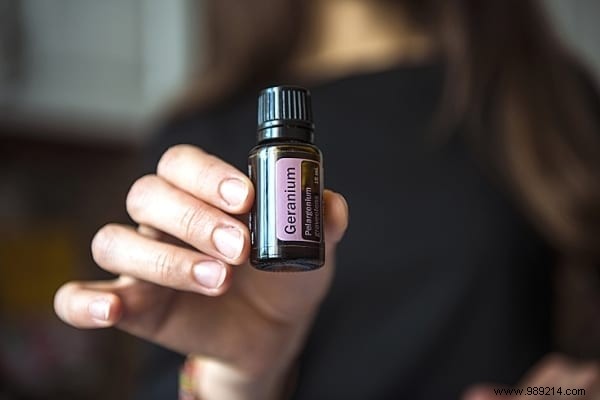
Combine 8 drops with 10 ml hot water in a spray bottle; mist throughout the house.
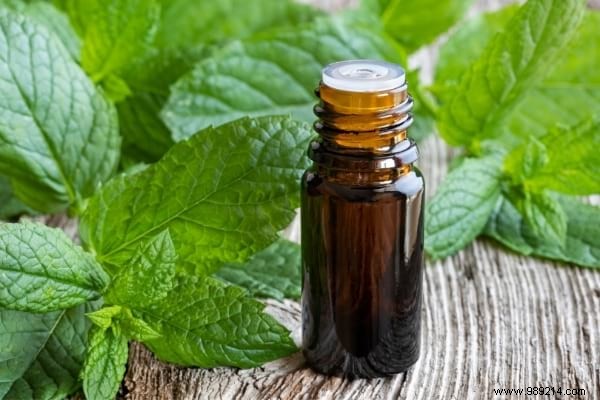
12 drops in 50 ml hot water; spray near doors and windows.
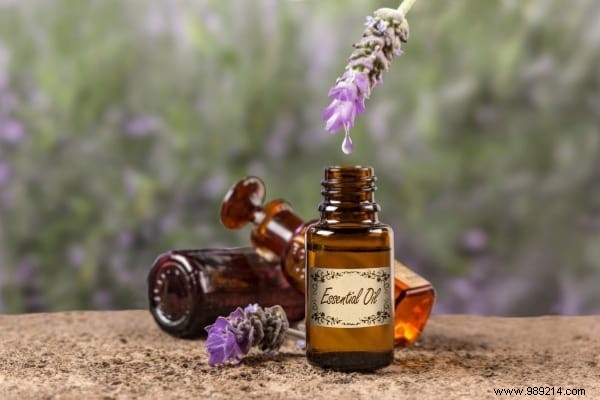
Soak a cloth in oil, place in jar for 24 hours, then uncover in fly-prone areas. Refresh as needed.
12 drops in 60 ml hot water; spray, focusing on entrances.
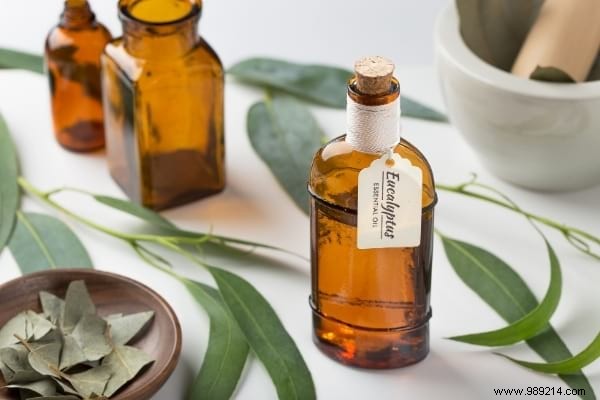
Drizzle 12 drops on fabric strips; hang near doors/windows as barriers.
Common kitchen spices double as fly repellents.
Stud half a lemon with 12 cloves; place on plates near windows. Or bag cloves in muslin. Also repels moths.

Boil garlic, strain, and place liquid in shallow dishes near windows.
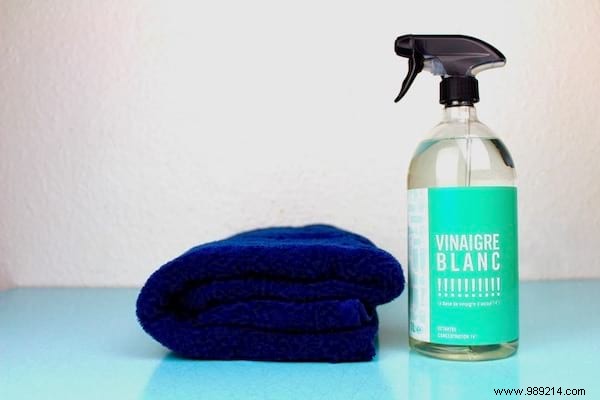
Vinegar's versatility extends to pest control: white repels, apple cider traps.
Mix with 10 drops eucalyptus oil; spray outdoors. Or heat and place in bowls indoors.
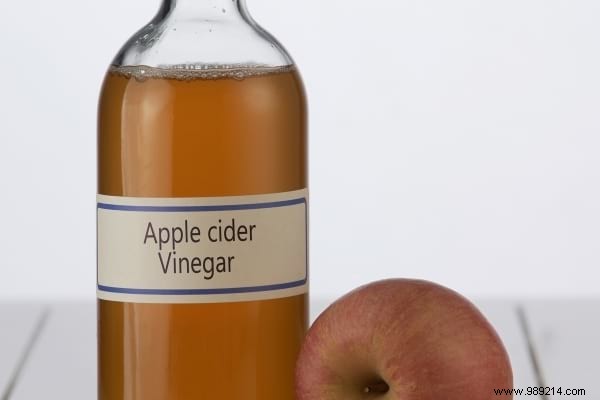
Heat vinegar in a jar with a funnel top: flies enter but can't escape. Replace daily.
These striking plants eat flies naturally, adding decor and pest control.
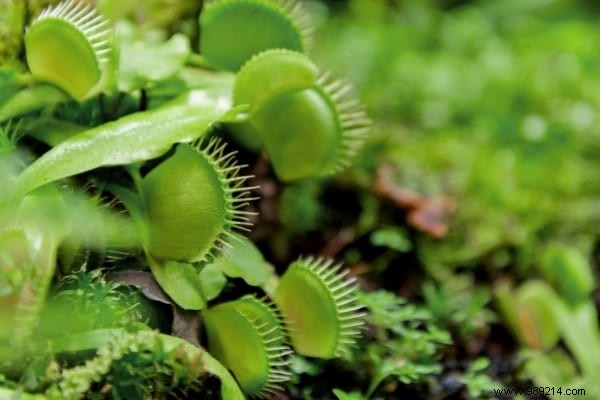
Sensitive "jaws" snap shut on insects. Safe for humans/pets; easy to grow.
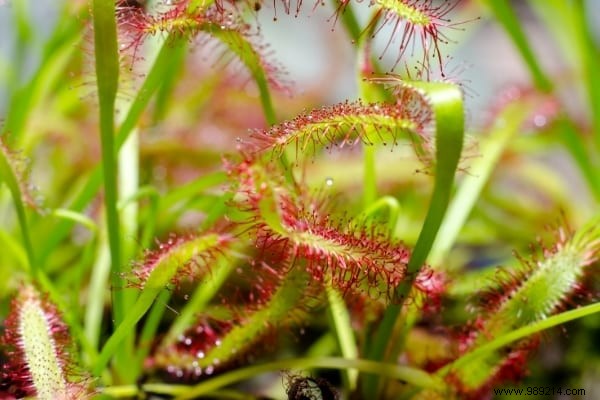
Sticky hairs trap and digest flies as leaves curl around prey.
These natural remedies offer simple, safe fly control. Many work on midges too, and some suit outdoor animals like horses. Skip chemicals—try these first!
