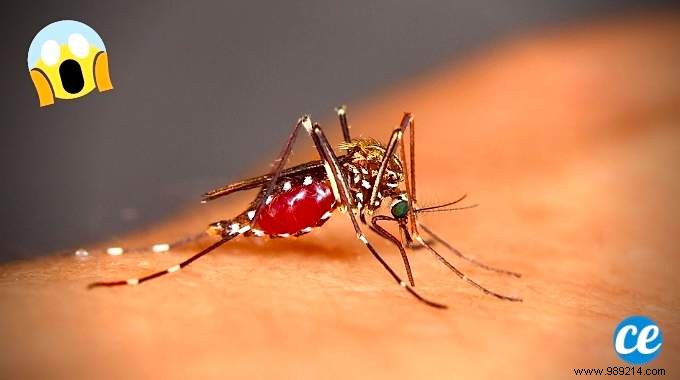
Tired of itchy mosquito bites ruining your outdoor time? Some people seem to attract them more than others. Skip the DEET-based repellents—these chemicals can be toxic to humans and harmful to the environment. Experts recommend them only in high-risk areas for diseases like Zika or malaria.
Instead, try these 10 science-backed natural mosquito repellents for effective protection right on your terrace. Here's how:
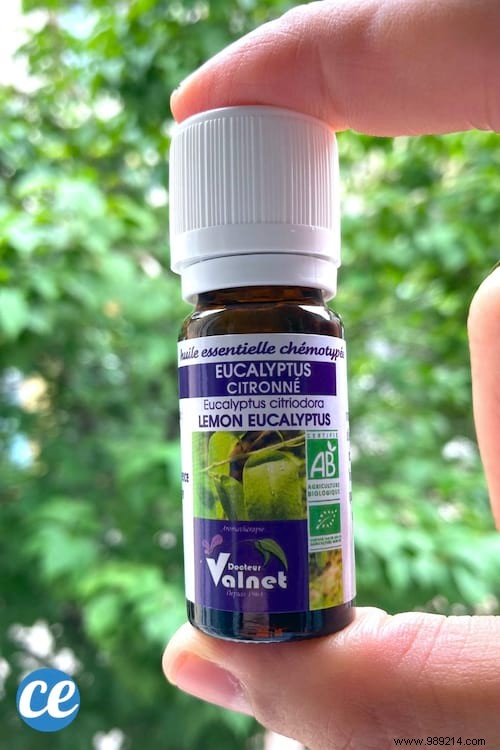
Backed by rigorous testing, lemon eucalyptus essential oil stands out as a potent natural repellent. Consumer Reports experts found it outperforms many chemical options (Source 1). The U.S. CDC approves it for repellents (Source 2), and studies show formulas with 30% concentration offer over 95% protection for up to 3 hours (Source 3).
- Lemon eucalyptus essential oil
- Sunflower oil or witch hazel hydrosol
- Small spray bottle
- Mix 1 part lemon eucalyptus oil with 10 parts sunflower oil in the spray bottle.
- Shake well.
- Spray on exposed skin.
- For the face, apply to hands first and rub in, avoiding eyes and mouth.
Warning: Not for children under 3.

Crushed lavender flowers release oils that mosquitoes detest. Research on mice confirms its repellent power (Source 4), plus it offers analgesic, antifungal, and antiseptic benefits to soothe bites.
- Plant lavender in your garden, patio pots, or indoors.
- Crush flowers and rub oil on ankles, arms, etc.
- Alternatively, dab diluted essential oil on skin via a cloth.
Related: 11 Mosquito-Repelling Plants for Your Home.

Beyond the kitchen, cinnamon oil kills mosquito eggs and repels adults, including tiger mosquitoes (Source 5).
- Dilute 1%: Mix 24 drops with 120 ml water in a spray bottle.
- Spray on skin, clothes, furniture, or plants.
Warning: High concentrations may irritate skin—dilute properly.

One of the top natural options, especially against malaria carriers. A 5% dilution provides over 90% protection (Source 6). Burn leaves by a fire for 85% coverage lasting 60-90 minutes (Source 7).
- Mix 4 drops per teaspoon of carrier oil (olive or jojoba).
- Or blend 5 drops with 60 ml water for a spray.
Related: Thyme Oil Benefits and Uses.
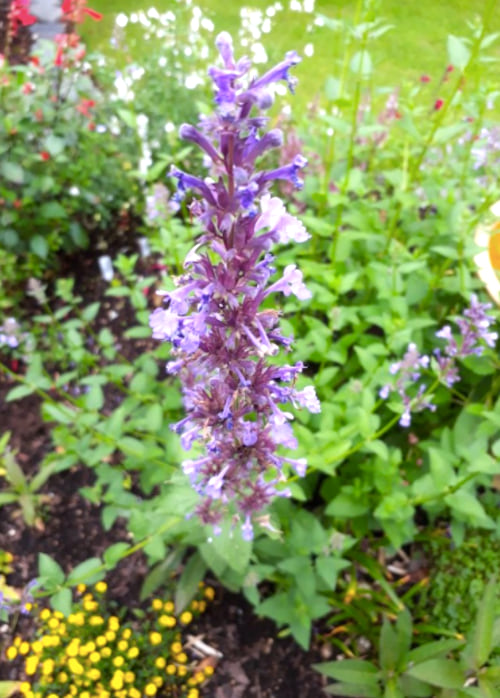
This Lamiaceae family plant, related to catnip (Nepeta cataria), yields oil that repels mosquitoes for 2-3 hours (Source 8). Catnip itself is 10 times more effective than DEET (Source 9).

Products with 2% soybean oil offer lasting protection (Source 10). Combine with lemongrass oil for broad efficacy (Source 11).
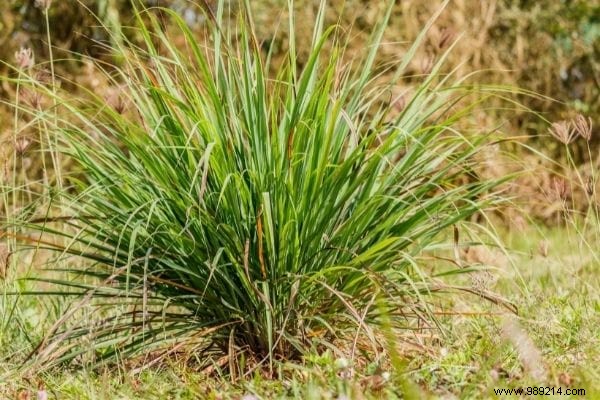
A staple in repellents, it matches DEET in trials, protecting for up to 2 hours (Source 12). Citronella candles boost outdoor safety by 50%.
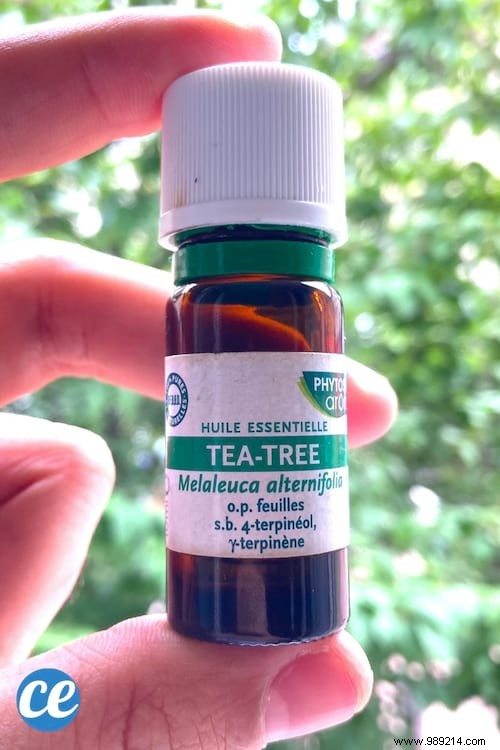
From Australian shrubs, this oil's antimicrobial properties extend to repelling mosquitoes and gnats (Source 13).
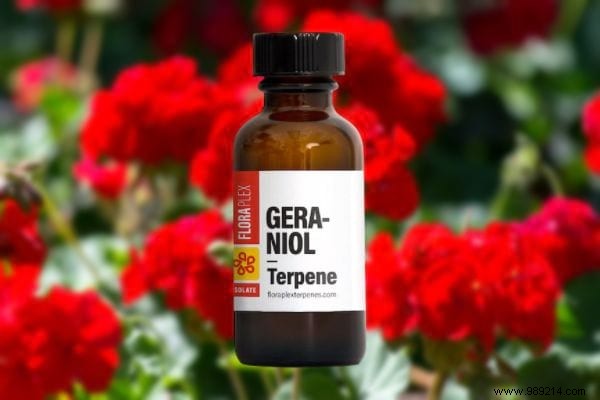
Found in citronella, geranium, and rose oils, it repels for 2-4 hours. Avoid eyes and sensitive skin to prevent irritation.
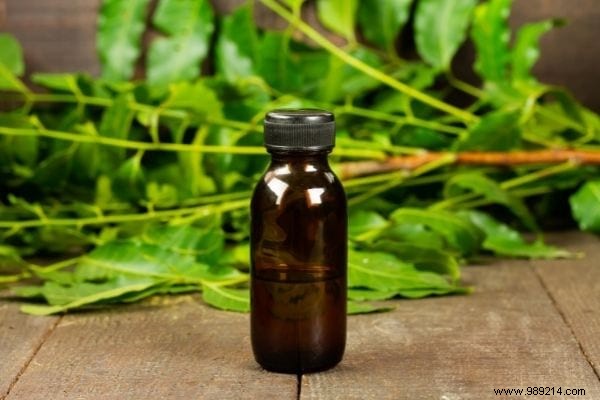
Results vary, but Ethiopian trials showed 70% protection for 3 hours (Source 14). Prefer over DEET in high-risk travel; dilute to avoid irritation. Use cold-pressed, extra-virgin.
- Dilute 50-100 ml with water, oil, or lotion.

Use essential oils sparingly. Never apply near eyes or ears. Dilute 3-5 drops per 30 ml carrier oil (e.g., sweet almond). Test on inner elbow for allergies. In disease-hotspot areas (malaria, yellow fever, Zika), consult doctors—chemicals may be advised. Seek medical help for infections.
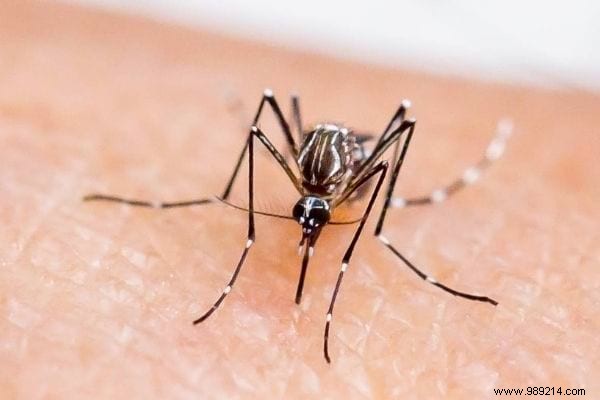
Apple cider vinegar, raw onion, or garlic soothe itch. Pharmacies offer calamine or hydrocortisone creams. See a doctor for fever, pus, or severe reactions.
Research confirms these natural options protect effectively, ideal for families, kids, and pregnant women seeking chemical-free solutions. Craft your own repellents for safe, eco-friendly defense.
