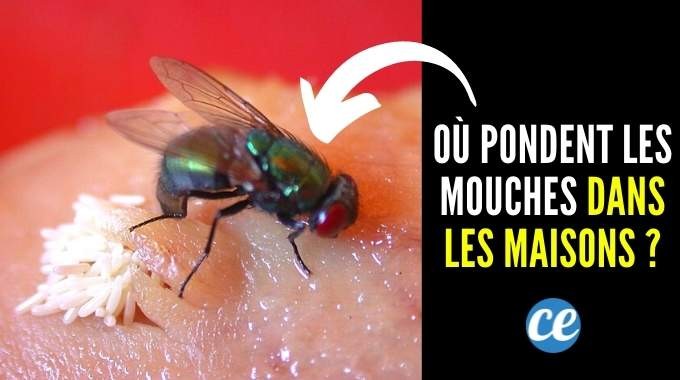
As a seasoned pest management professional, I've helped countless homeowners reclaim their spaces from fly invasions. Today, I'll share proven insights on where flies lay eggs inside houses—knowledge that goes beyond swatting to prevent future problems.
Understanding fly breeding habits and hotspots is key to addressing infestations at their source. Once I identified these spots in my own home, the flies vanished for good. You can achieve the same results.
Discover where different flies lay eggs indoors and outdoors, plus effective elimination strategies. Watch this:
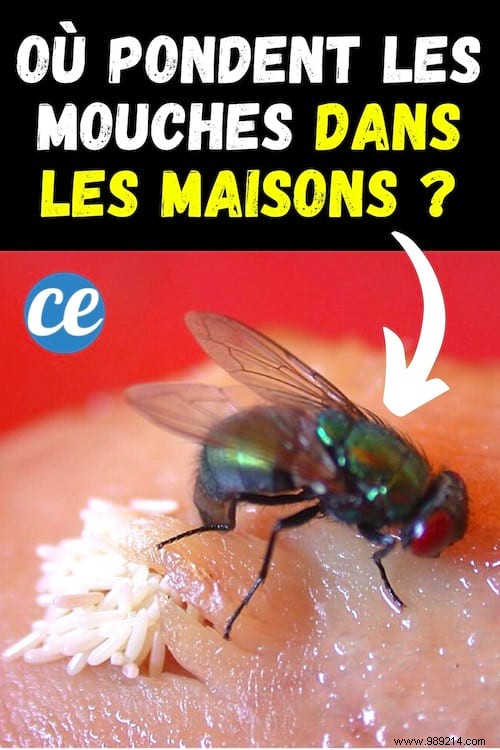
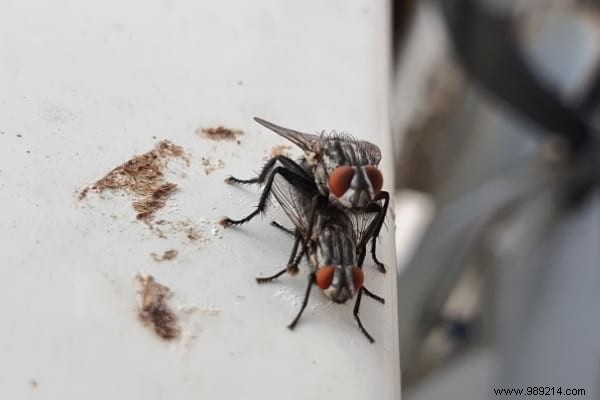
Most flies start their life cycle by laying eggs in specific environments tailored to their species. Identifying these preferred habitats lets you preempt invasions.
For instance, common house and fruit flies target certain household areas. Eliminating these sites stops the cycle. Here's where to check, by fly type.
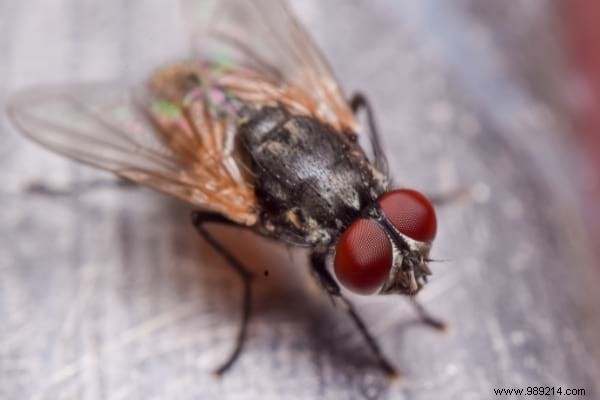
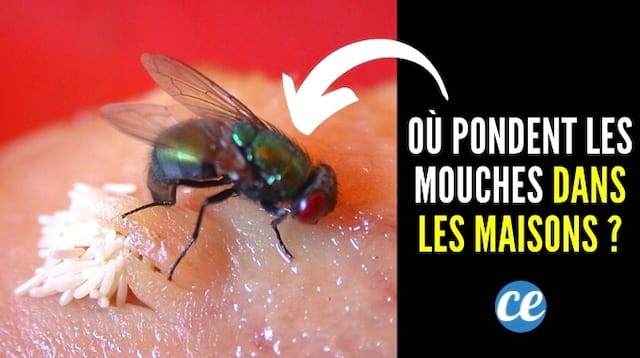
House fly eggs thrive in moist, decaying organic matter like garbage, rotting food, or feces. Uncovered trash cans are prime spots, drawn by human and pet food waste.
Poor hygiene, damaged screens, or gaps in windows/doors invite them. Eggs are elongated, pale, laid in clusters, and hatch quickly.

Fruit flies target overripe or rotting produce, plus fermented items like beer or wine. They also breed in drains, garbage disposals, and trash.
Females lay up to 500 eggs that hatch in 24-30 hours. Counter by wiping surfaces, emptying trash, discarding bad fruit, and refrigerating produce.
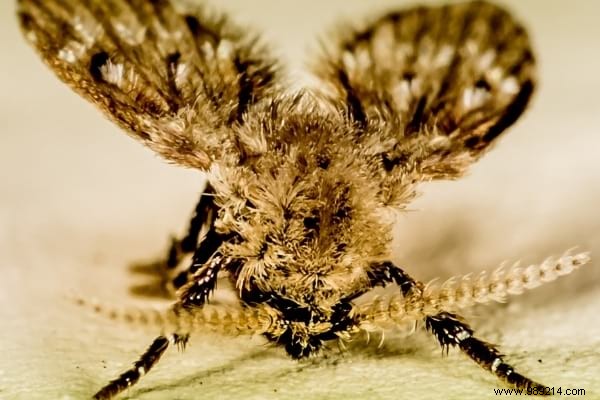
Also known as sewer flies, they lay eggs in neglected drains with organic sludge. Larvae feed on buildup in pipes and standing dirty water.
Clean pipes regularly with white vinegar to disrupt their cycle.
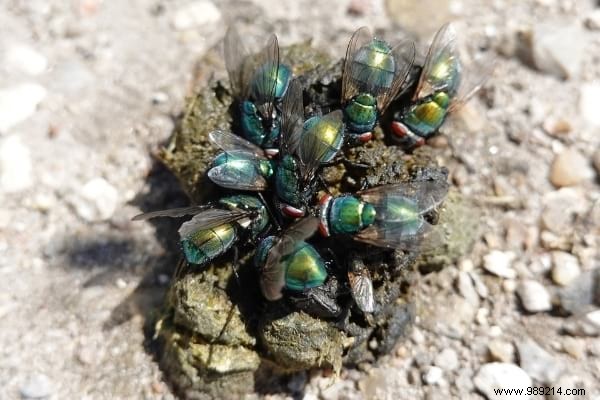
Flesh flies lay eggs on rotten meat, animal feces, or decomposing matter. They enter via open doors/windows or cracks, contaminating food and spreading diseases.
Store meat properly and avoid leaving it out.
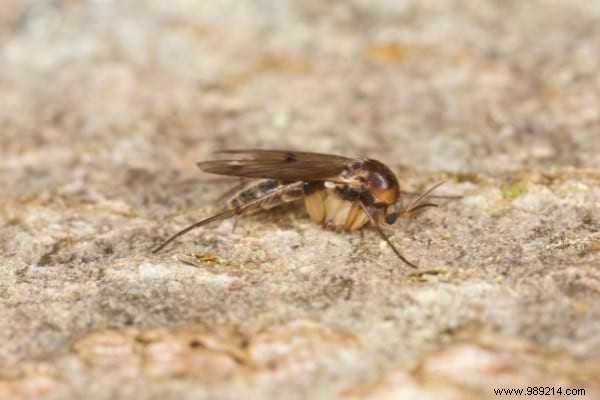
These are drawn to potted plants, fungi, roots, and light-exposed areas like windowsills. Avoid overwatering plants and discard infested ones.
Now, let's cover outdoor breeders.
Species like cluster and stable flies prefer exterior sites. Disrupting these halts indoor migration.
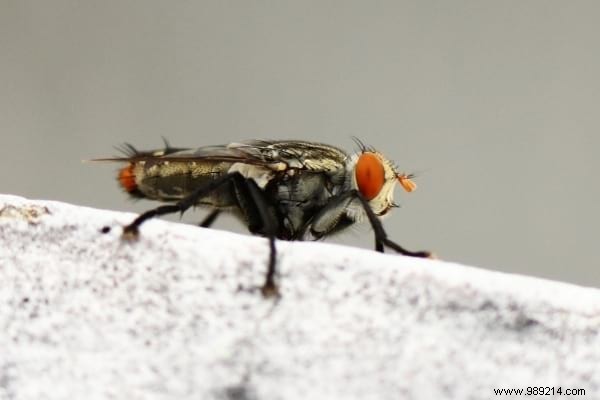
Females lay eggs in soil in late summer/early fall. Larvae parasitize earthworms, then adults overwinter in attics or wall voids, emerging in spring.

They target animal waste, decaying plants, or rotting matter near barns/stables. Females bite for blood to mature eggs, risking disease transmission to people/livestock.
Prevention beats reaction. Eliminate breeding sites:
A few flies are normal, but swarms signal a nest nearby—often in trash, drains, kitchens, or damp spots with rotting food/water.
Locate food/breeding sites to find eggs and larvae. Act swiftly to break the cycle.
