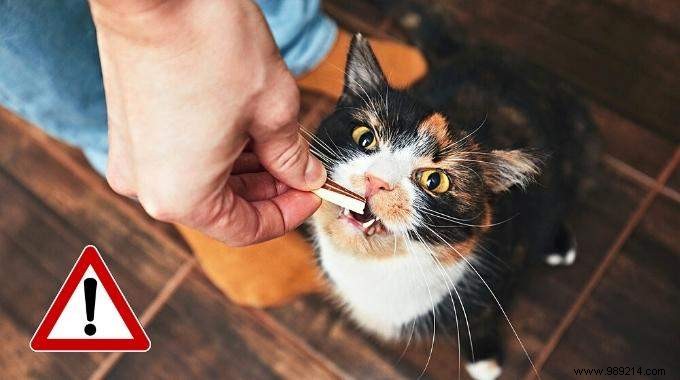
When I adopted my kitten, I worried about human foods that could harm him unintentionally. To keep him safe, I consulted my veterinarian, who compiled this list of 16 toxic foods for cats and explained the risks behind each one.
Discover these 16 foods to avoid:

Yeast in uncooked bread ferments in a cat's stomach, producing gas buildup that leads to bloating, painful digestion, and stomach aches. In severe cases, it can cause intestinal torsion. Fermenting yeast also generates alcohol, which is toxic to cats. Avoid underbaked pastries or those with baking powder.

Chocolate contains theobromine, which cats can't metabolize effectively, causing vomiting, diarrhea, and potentially fatal convulsions. It also has methylxanthines, with higher concentrations in dark chocolate and cocoa powder than in white chocolate.
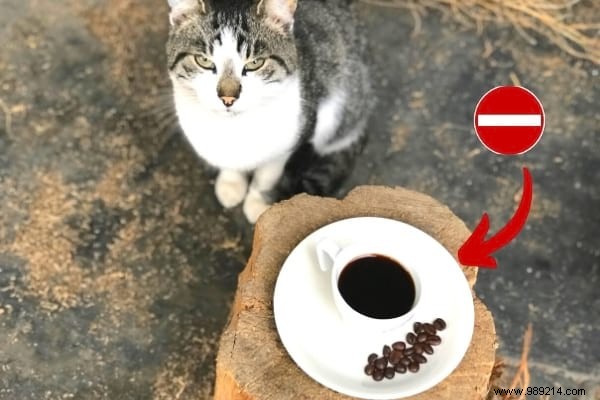
Like chocolate, coffee contains methylxanthines and caffeine, both highly toxic to cats. Just 8 teaspoons can poison a cat, leading to serious health issues.
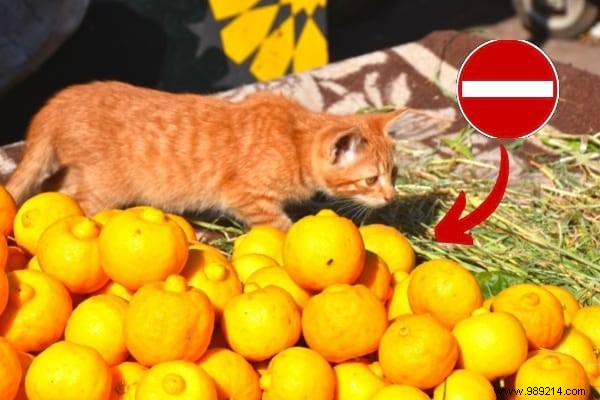
Grapefruit, lemons, oranges, and clementines contain essential oils and citric acid toxic to cats. Keep peels, leaves, stems, flesh, and seeds away. Small amounts may cause mild vomiting, but larger ingestions pose greater risks.
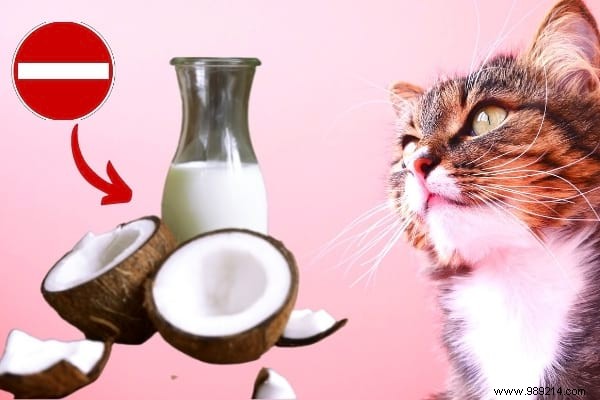
High potassium in coconut milk and flesh can cause digestive upset in large quantities by acidifying the blood and straining the heart. Small amounts are generally safe.
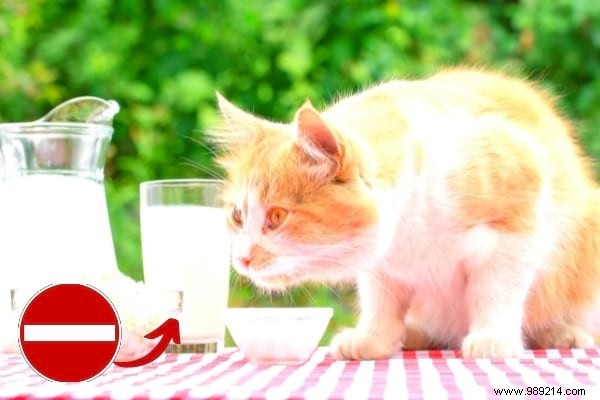
Many cats are lactose intolerant, leading to diarrhea and digestive issues from milk, yogurt, or cheese. Contrary to myth, cats shouldn't drink milk regularly.
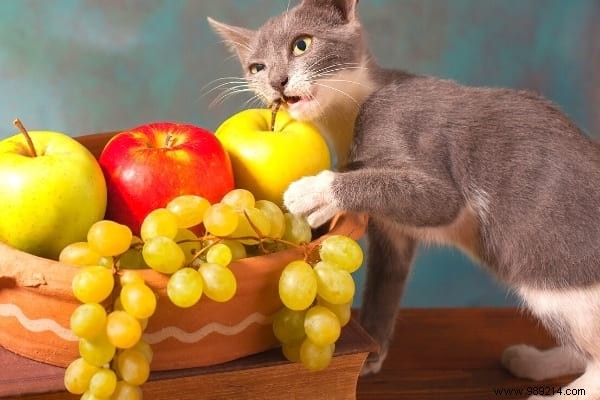
Grapes can cause kidney failure in cats over time. Fortunately, most cats avoid them, limiting exposure risks.
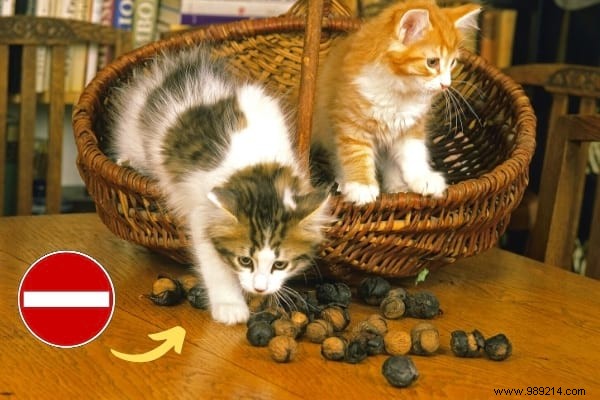
High phosphorus and fat content in nuts like hazelnuts, walnuts, and macadamias can trigger digestive disorders or pancreatitis. Macadamias may elevate heart rate, and nutmeg can cause hallucinations in excess.
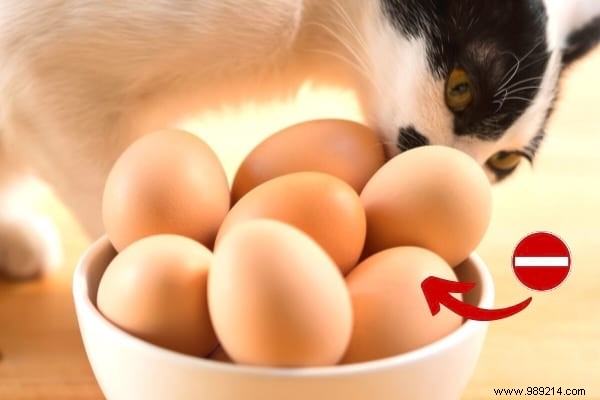
Raw eggs risk salmonella contamination, causing vomiting, diarrhea, and fever. Avidin in raw whites also blocks biotin absorption, harming skin and coat health.
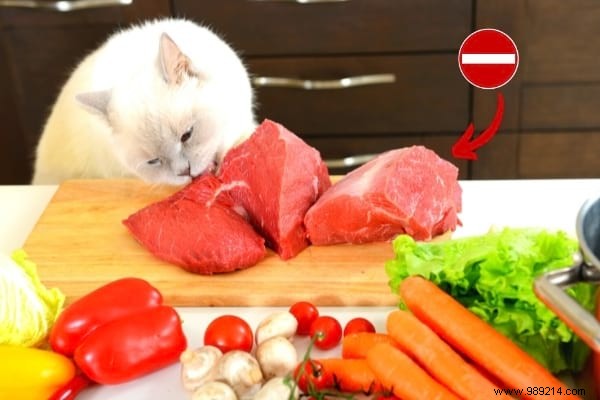
Raw meat may carry salmonella or E. coli, leading to food poisoning symptoms like vomiting and fever. Raw pork risks Aujeszky's disease, mimicking rabies, and raw fish poses similar dangers.

Excess salt causes immediate tremors, convulsions, and vomiting, potentially leading to cardiac arrest. Long-term, it damages kidneys and the cardiovascular system, shortening lifespan.
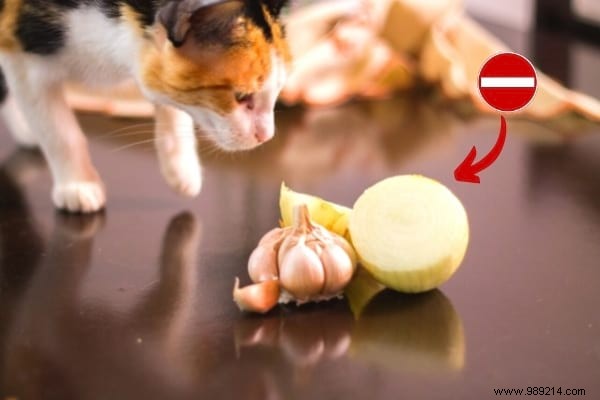
Onions, garlic, chives, shallots, and raw leeks damage red blood cells, especially when raw. Cooked leeks are safer.

Xylitol and similar sweeteners in candies, cakes, and yogurts can cause vomiting in small amounts or liver failure and lethargy if consumed repeatedly in large quantities.

Persin in avocados harms cats' hearts and lungs, while high fat content risks pancreatitis.
Even small amounts of alcohol can cause coma or death by damaging the heart and brain.

Calcium oxalate in raw potatoes poisons the kidneys and urinary tract.
Stay calm—small amounts often cause only mild issues. Contact an animal poison control center at 02 40 68 77 40 immediately, or your vet who knows your cat best. Act before symptoms appear. Pro tip: Never leave food on tables—curious cats will investigate.
