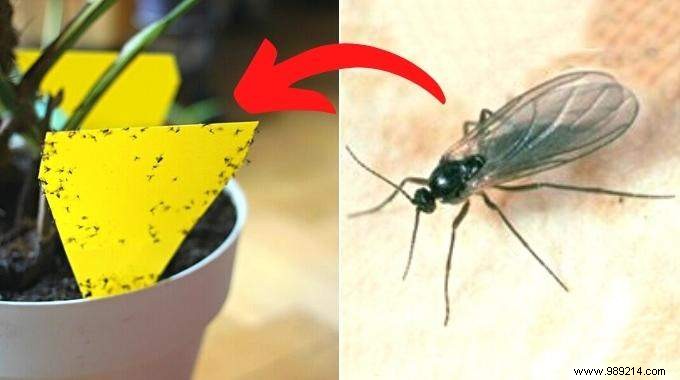
As an experienced gardener, I've successfully tackled fungus gnats (Sciaridae), those tiny pests that thrive in moist potting soil and wreak havoc on houseplants. Their larvae can quickly damage roots, but these 11 natural strategies—drawn from proven gardening practices—eliminated them for me permanently, no chemicals required.
Discover these effective, eco-friendly remedies below:
 Contents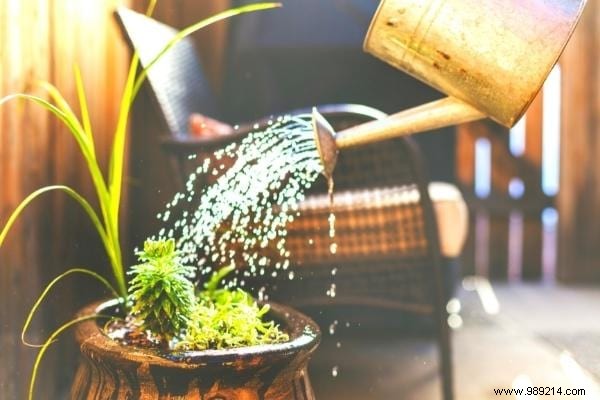
Fungus gnats are drawn to damp conditions, so start by preventing attraction. Let the top 2-3 inches of soil dry out completely before watering, especially in winter when evaporation slows.
This breaks their life cycle, reduces populations, and makes your pots less inviting. Always use pots with drainage holes and empty saucers to avoid standing water.
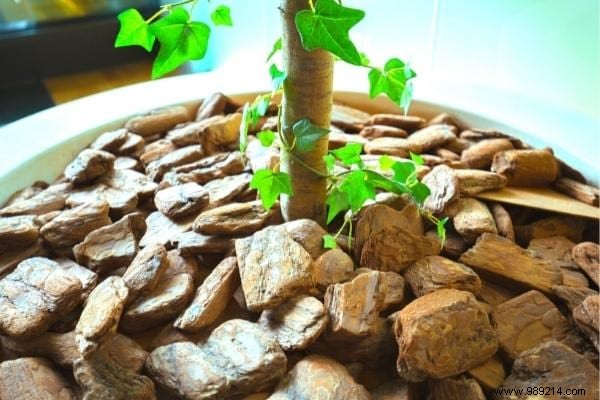
To block egg-laying, cover soil with a thin layer of small pebbles, sand, or diatomaceous earth. The fine, sharp particles in diatomaceous earth damage larvae's digestive systems, wiping out colonies quickly.
Sprinkle it on the surface and mix lightly into the topsoil for best results.
Tulle—a lightweight, flexible mesh fabric—is a simple barrier. Secure it over the soil surface with a rubber band. Adult gnats get trapped underneath, unable to feed or lay eggs, leading to their demise.
Bait and drown adults with a shallow dish of water mixed with honey, placed near infested plants. For broader control, use sticky yellow traps—they're highly effective at capturing flying gnats.
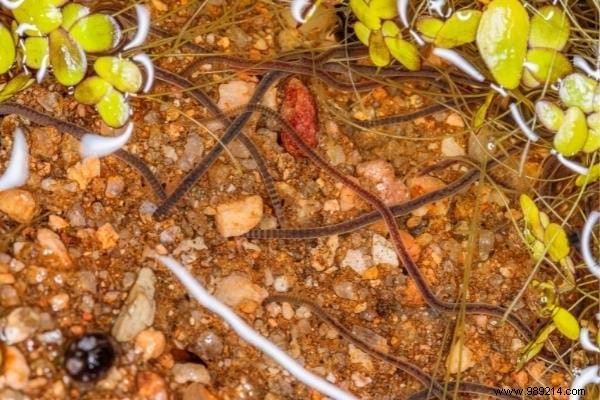
These microscopic worms are natural predators that target larvae. Dilute a sachet in water and apply to moist soil. They parasitize larvae within 7-10 days. Ideal for active infestations, not prevention.
Repel gnats with cinnamon, rose geranium, or lemongrass essential oils. Add 3 drops of each per liter of water and use for regular watering. Alternatively, place oil-soaked cotton balls on soil, or water with strong black tea every other time—gnats detest the scent and avoid egg-laying.
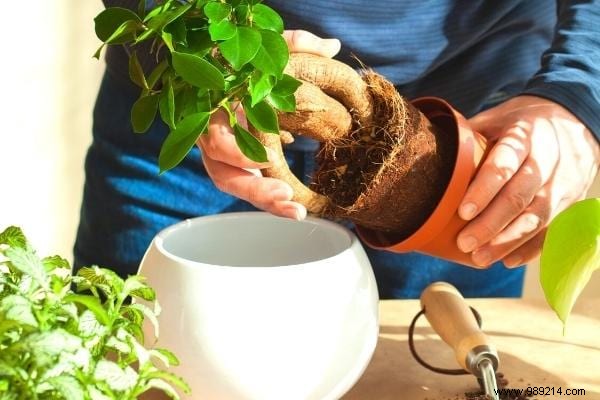
Remove moldy topsoil (often larva hotspots), rinse roots, and repot in fresh soil. Isolate the plant from others to prevent spread.

Gnats hate citrus and clove scents. Skewer cloves into a halved lemon and bury it halfway in the soil—flies stay away.
Dissolve 30g black soap in 1L water and spray on foliage and soil after watering. It's safe for plants but repels gnats and larvae effectively.

For severe cases, neem oil's azadirachtin disrupts larvae development. Let soil dry, mix 20ml oil in 1L water, drench soil, and repeat after 4 days.

Many budget soils harbor larvae. Opt for sterile, high-quality potting mixes to prevent initial infestations.
Adults are slender, 4mm-long black flies with long legs, hovering near pot bases in humid, organic-rich soil. Larvae are 5-12mm translucent worms with black heads. Females lay 50-300 eggs immediately, targeting young plants.
Adults pose little threat, but larvae devour root hairs, stunting growth and causing wilting or death. wounds invite diseases, especially in moisture-loving plants like orchids and African violets.
