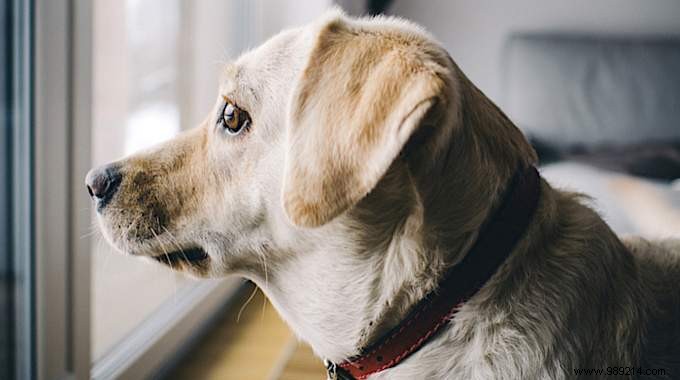
Heading out for the holidays and need to leave your dog with family or a sitter? Or working long days and leaving them home alone? If your dog struggles with being apart from you—a condition known as separation anxiety—you're not alone. Mine did too, until a trusted veterinarian shared these 12 proven strategies to calm an anxious dog. Here's how to help.
 Contents
 Click here to easily print this guide in PDF.
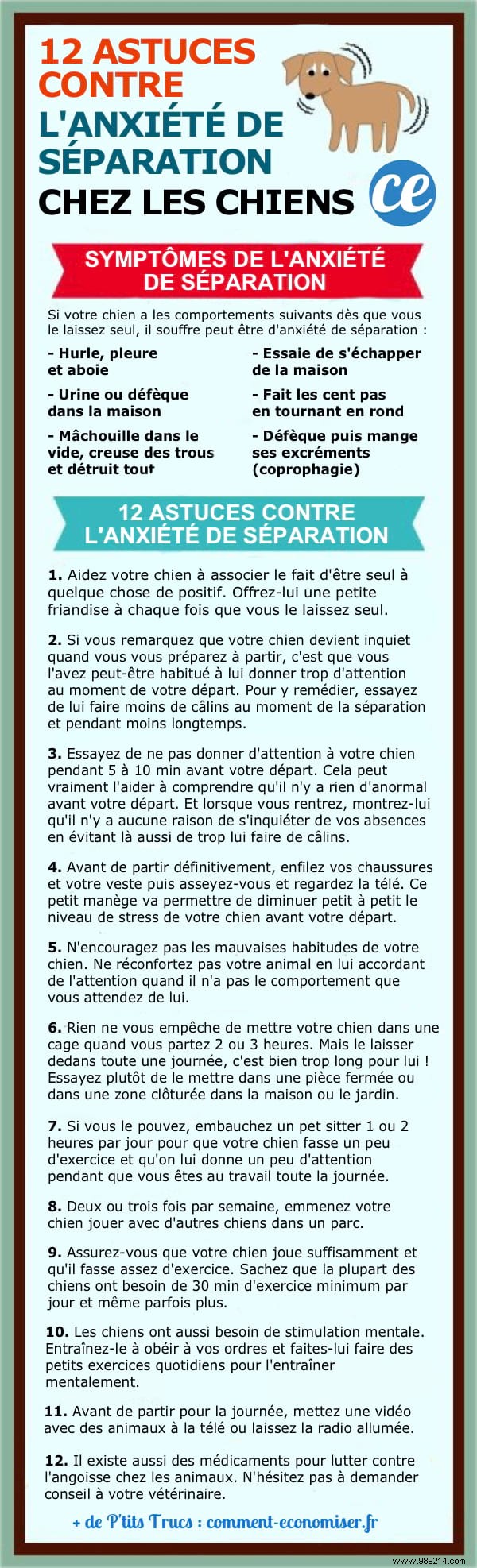
If your dog shows these behaviors when left alone, they may have separation anxiety:
Recognize these in your dog? Don't worry—effective, natural solutions exist based on veterinary insights.
1. Associate alone time with positives: Give a special treat just before leaving.
2. Reduce pre-departure fuss. If your dog gets anxious as you prepare to leave, cut back on attention and cuddles right before going.
3. Ignore your dog for 5-10 minutes before leaving and upon returning. This signals that departures and arrivals are normal.
4. Desensitize cues: Put on your shoes and jacket, then sit and watch TV. Repeat to lower stress.
5. Avoid reinforcing bad behavior. Don't comfort whining or mischief—stay neutral.
6. Use a crate for short absences (2-3 hours), but for longer periods, opt for a secure room or fenced yard area.
7. Hire a pet sitter for midday breaks to provide exercise and companionship during your workday.
8. Schedule dog park visits 2-3 times weekly for social play with other dogs.
9. Ensure daily exercise—at least 30 minutes, often more, tailored to your dog's breed and age.
10. Provide mental stimulation: Practice obedience commands and short training sessions daily.
11. Leave calming background noise, like animal videos on TV or the radio, to ease solitude.
12. Consult your vet about anti-anxiety medications if needed—they're safe and effective when prescribed.
Implement these vet-backed tips to significantly reduce your dog's separation anxiety. Always rule out medical issues first with a veterinary exam to ensure symptoms aren't health-related.
